sexta-feira, 9 de outubro de 2015

The Best Things You Can Do to Ease Your Constipation


What To Do for Constipation

smiling woman in bathroom - Blend Images - Peathegee Inc/Brand X Pictures/Getty Images

Photo Credit: Blend Images - Peathegee Inc/Brand X Pictures/Getty Images

Written or medically reviewed by a board-certified physician. See About.com's Medical Review Policy.

Updated October 05, 2015.

Whether you find yourself dealing with occasional bouts of constipation or the chronic health conditions of constipation-predominant-IBS (IBS-C) or chronic idiopathic constipation (CIC), you know the distress of having bowel movements that happen infrequently and are made up of stools that are small, hard, and painful to pass. Gas and bloating usually come along for the ride. You may find that you are straining and that you end up with a sense of incomplete emptying.

So frustrating!

Constipation occurs when the contractions of the colon are too slow, which causes too much water to be drawn out of the stool, and results in infrequent bowel movements. Why this happens is not always clear. What is clear is that there are certain things you can do on your own to try to ease your discomfort and get things moving again! Some of these things are based on science, while some are based on common sense or folk wisdom. Don't skip the last slide - it will offer you articles that will provide you with in-depth information related to many of the recommendations.

Note: If you are dealing with constipation on a regular basis, be sure to tell your doctor so as to obtain a proper diagnosis.

Let's start with a nice, pleasant recommendation...


http://ibs.about.com/od/constipation/ss/Constipation-Self-Care.htm

Smoking, heavy alcohol use are associated with epigenetic signs of aging


All levels of exposure to smoke were associated with significantly premature aging, the scientists report. Interestingly, moderate alcohol use -- about one to two drinks per day -- was correlated with the healthiest aging, while very low and high consumption were linked to accelerated aging.

Credit: © Frank Täubel / Fotolia

Cigarette smoking and heavy alcohol use cause epigenetic changes to DNA that reflect accelerated biological aging in distinct, measurable ways, according to research presented at the American Society of Human Genetics (ASHG) 2015 Annual Meeting in Baltimore.

Using data from the publicly available Gene Expression Omnibus, Robert A. Philibert, MD, PhD and colleagues at the University of Iowa and other institutions analyzed patterns of DNA methylation, a molecular modification to DNA that affects when and how strongly a gene is expressed. Prior research had shown that methylation patterns change in predictable ways as people age, as well as in response to environmental exposures, such as cigarette smoke and alcohol. In these earlier studies, Dr. Philibert's laboratory identified two specific locations in the genome, base pairs cg05575921 on the AHRR gene and cg23193759 on chromosome 10, at which methylation levels were highly associated with smoking and alcohol consumption, respectively.

In fact, they showed, DNA methylation levels at these two locations was a better measure of substance use than people's self-reported estimates. Thus, in this follow-up study, Meeshanthini Dogan, MS, and Dr. Philibert used methylation levels as a proxy for tobacco and alcohol consumption. They estimated each person's biological age using a previously validated epigenetic "clock" based on methylation levels at 71 locations in the genome, as measured by the widely used Infinium HumanMethylation450 BeadChip. Then, they calculated the difference between biological age and chronological age, and assessed the relationship between tobacco and alcohol use and premature aging.

They found that all levels of exposure to smoke were associated with significantly premature aging. Interestingly, moderate alcohol use -- about one to two drinks per day -- was correlated with the healthiest aging, while very low and high consumption were linked to accelerated aging.

"These new tools allow us to monitor smoking and alcohol use in an objective way, and to understand their effects quantitatively," Ms. Dogan said. "Furthermore, our methods could be used to analyze any set of 450 BeadChip data, which means that existing data can be used to identify new patterns and that all such results can be easily compared."

"Being able to objectively identify future smokers and heavy alcohol users when they are young, before major health issues arise, can help providers and public health practitioners prevent future problems, improve quality of life, and reduce later medical costs," Dr. Philibert added.

The researchers' next step is to unravel the details of how methylation patterns change in response to lifestyle changes during the life course, so that their assessments can be more informative.

"For example, we want to study how the intensity of current tobacco and alcohol use and cumulative levels of use throughout a lifetime affect methylation, including what happens when a person quits smoking or drinking," Ms. Dogan said. "By clarifying at what point the epigenetic changes become tougher to stop or reverse, we can inform decisions about how best to use the limited public health resources we have."


Story Source:

The above post is reprinted from materials provided by American Society of Human Genetics. Note: Materials may be edited for content and length.


http://www.sciencedaily.com/releases/2015/10/151008173505.htm


quinta-feira, 8 de outubro de 2015

A controversial new gene-editing technology could win a Nobel — and a fight is raging over who invented it


Every year, people try to predict who will win a Nobel Prize in science. This year, Thompson Reuters named two scientists for the discovery of a powerful technology for editing genomes, known as CRISPR/Cas9.

Problem is, they're not the only scientists claiming credit for the discovery.

Molecular biologists Jennifer Doudna, of UC Berkeley, and Emmanuelle Charpentier, of the Max Planck Institute for Infection Biology in Germany, were nominated by Thompson Reuters for their pioneering work on CRISPR.

But Feng Zhang, a molecular biologist at the Broad Institute and MIT, owns the patents for the technique, and claims he discovered it independently. Doudna's team filed for a patent first, however, and now the two groups' lawyers are locked in a fierce intellectual property battle.

The final decision of who should get the patents will come down to who can prove they were first to invent the technology. And the stakes are high — both groups have licensed the technology to spinoff companies, and the patents could be worth millions of dollars.


A powerful tool with high stakes

CRISPR, which refers to short stretches of repeated DNA, were originally discovered in E. coli bacteria by Japanese scientist Yoshizumi Ishino in 1987, but their function was a mystery.

Later, scientists discovered that these repeated sequences contained DNA from viruses. Researchers then found a set of related genes, which encoded molecules that act like scissors to cut a virus's DNA. The bacterium would then paste that viral DNA into its own genome, so it could recognize the threat and fight it off in the future.

Doudna and Charpentier had independently been studying a CRISPR system in bacteria that involved the protein Cas9, which cuts DNA very precisely. The two scientists decided to pair up, and published a highly cited study in the journal Science in 2012 that demonstrated this technology could be used to edit human cells.

Since then, CRISPR/Cas9 has been used in a wide range of organisms, includingbaker's yeast, flies, mice (by Zhang and his team) and monkeys. Earlier this year, Chinese scientists even used it to modify human embryos, which were tweaked so they couldn't survive.

Doudna, Charpentier, and others quickly realized the technique's potential, which could allow scientists to easily and accurately cut-and-paste the genes of any organism. The method could be used to fix defective genes that cause disease, or even to enhance a gene — prompting some to worry it might be used to create "designer babies."


The controversy heats up

Zhang — the MIT and Harvard Broad Institute scientist who claims he also discovered the CRISPR technique — was awarded the first patent for the technique in April 2014. But the adminstrators of California’s public university system (where Doudna is from) have petitioned the US Patent and Trademark Office to reconsider the ownership of ten patents issued to MIT and the Harvard Broad Institute.

A decision has not been reached. Adding fuel to the fire, Zhang just discovered an alternative to Cas9 that may work even better for editing genes.

The Nobel winner could be announced before the patent office reaches a decision, however. And if the Nobel committee honors one group of scientists while the patent office honors another, it wouldn't be the first time.

The chemistry Nobel will be announced on Wednesday October 7, after 11:45 a.m. local time in Sweden. And whatever happens then, you can be sure we haven't heard the last of the CRISPR saga.

NOW WATCH: Scientists have almost discovered how to resurrect a woolly mammoth


http://www.businessinsider.com/crispr-nobel-controversy-2015-10

Staying healthy: Experiment finds key to natural detoxifier’s reactivity


A chalk drawing showing the key bonds in the cytochrome intermediate compound. The shorter iron-sulfur bond enables the more reactive double-bonded oxygen atom to extend farther out on the other side and participate in an activation reaction.

Credit: Michael T. Green, Elizabeth L. Onderko/ Penn State University

Researchers working at the Department of Energy's SLAC National Accelerator Laboratory have discovered that a mere 9-trillionths-of-a-meter reduction in the length of a chemical bond dramatically boosts the reactivity of a family of molecules that helps keep humans and many other organisms healthy.

This result, reported recently in Nature Chemistry, is expected to help scientists design and manufacture new and more effective medicines.

The molecules, called cytochrome P450s, are known as "nature's detoxifiers," said Courtney Krest Roach, a beamline scientist at SLAC's Stanford Synchrotron Radiation Lightsource (SSRL) -- a DOE Office of Science User Facility -- and first author of the paper.

Since cytochrome P450 was discovered more than 50 years ago, more than 11,000 variants have been identified in every kingdom of life, including animals, plants, fungi and bacteria. Some 57 different P450s are found in humans, typically in the liver, where they help break down poisons and unwanted molecules. They are also essential in the body's manufacture of certain hormones, and chemists hope to be able to use them in the future to catalyze the creation of complex molecules for use in medicine and industry.

"Our bodies use P450s to perform one step in the metabolism of some 75 percent of pharmaceuticals," Roach said. "And the P450s' extreme selectivity can enable much more direct and efficient synthesis of a number of high-value hydrocarbons and organic molecules."

Molecular Structure is Key

Each cytochrome P450 is optimized to catalyze an initial "activation" step in a specific chemical reaction. They all share the same basic atomic structure: A central iron atom is surrounded by four nitrogen atoms, with a sulfur-based structure sticking out from one side of the ring. Activation creates an intermediate compound that has an oxygen atom double-bonded to the iron atom; it sticks out from the other side of the ring.

Because the P450s' intermediate compounds were short-lived, chemists who were trying to learn how they worked tried studying a slightly simpler molecule, called CPO, which had a more stable intermediate. But they found it was much less reactive than the P450s ­- in some cases only one-fortieth as reactive. Researchers needed to know why, because a more reactive P450 can break stronger bonds, metabolize new medicines or make different final products.

The new experiments at SSRL were led by Penn State University Professor Michael Green, who was Roach's PhD advisor. The research team used the absorption of X-rays by the intermediate forms of CPO and P450s to make ultraprecise measurements of their atomic structures. The results showed that the big difference in reactivity was caused by a miniscule, 9-trillionths-of-a-meter difference in the lengths of their iron-sulfur bonds.

Small Changes, Big Impact

Slight changes in hydrogen bonding near the central iron atom shortened the length of the P450s' iron-sulfur bond by 4 percent. This changed the distribution of nearby electrons in a way that weakened and lengthened the iron-oxygen double bond on the opposite side of the ring. This, in turn, made it easier for the oxygen atom to carry out its part in the activation process, thus increasing P450s' reactivity.

"SSRL is the only place that we could do these experiments with the necessary quality," Roach said.

In their "News & Views" commentary on this research published in the same issue of Nature Chemistry, University of Illinois professors Ilia Denisove and Stephen Silgar said this result is a significant breakthrough that will provide the basis for researchers to design and make new catalysts and adapt P450-based systems for use in biotechnology.


Story Source:

The above post is reprinted from materials provided by SLAC National Accelerator Laboratory. Note: Materials may be edited for content and length.


Journal Reference:

  1. Courtney M. Krest, Alexey Silakov, Jonathan Rittle, Timothy H. Yosca, Elizabeth L. Onderko, Julio C. Calixto, Michael T. Green. Significantly shorter Fe–S bond in cytochrome P450-I is consistent with greater reactivity relative to chloroperoxidase. Nature Chemistry, 2015; 7 (9): 696 DOI: 10.1038/nchem.2306


http://www.sciencedaily.com/releases/2015/10/151007145246.htm

Peugeot Citroën's self-driving car makes Paris to Bordeaux run


An autonomous Peugeot Citroën has driven itself all the way from Paris to Bordeaux in a ...

An autonomous Peugeot Citroën has driven itself all the way from Paris to Bordeaux in a demonstration of the increasing viability of self-driving vehicles (Credit: PSA Peugeot Citroën)

A PSA Peugeot Citroën driverless vehicle has journeyed 580 km (360 miles) on the motorway from Paris to Bordeaux entirely in autonomous mode. Automatically maintaining its speed to the road conditions and traffic, as well as independently changing lanes to pass slower traffic, the Peugeot Citroën completed the journey without incident and demonstrated the increasing viability of driverless motor vehicles.

Motoring to Bordeaux to participate in the Intelligent Transport Systems (ITS) World Congress (5 to 9 October), the car was in attendance to show off PSA Peugeot Citroën’s new autonomous technology along with its newly-developed car-to-car and car-to-infrastructure communication systems.

The on-board sensors and car and infrastructure communications demonstrated are claimed to provide a raft of safety features, including pedestrian awareness and collision avoidance from information transmitted by cars ahead and via dynamic road signs designed to deliver tailored messages to drivers.

The autonomous vehicle itself contained a vast array of on-board systems, including radar, automated braking, steering, and acceleration, GPS, and digital cameras, to name but a few. All working in concert with the master electronic control unit – and monitored remotely by a Peugeot Citroën control center – the autonomous vehicle is designed to be safer than driver-only vehicles, where hazards such as fatigue and human error are a major factor in collisions.

"The journey made by our prototype today proves that autonomous vehicles are no longer a matter of science fiction," said Carlos Tavares, Chairman of the managing board of PSA Peugeot Citroën. "This ushers in a new era of mobility, which I find truly exciting."

Much like the Mercedes-Benz autonomous truck recently tested on a stretch of Autobahn in Germany, the PSA Peugeot Citroën vehicle was permitted to drive on the highway with stringent protocols in place. With a driver ready to take control at any time, the vehicle's degree of autonomic control was set at what is known as "Level 3"; where the the vehicle is able to accelerate, brake, steer, and control the vehicle.

Peugeot Citroën also included what it calls the Scoop@F system, which allows not only for the autonomous controls and mechanisms mentioned earlier, but a range of more intuitive vehicle controls. Such things include adaptive cruise controls that manages vehicle speeds as standard systems do, but also allows for upcoming traffic light changes, hills, obstacles, and traffic flow via intrinsic communications systems collecting data from other vehicles and traffic infrastructure.

Unlike many autonomous concepts, however, PSA Peugeot Citroën says its vehicle will be fully-capable of "Level 5" autonomous control (subject to legislative approval) in the not-too-distant-future.

Slated for release to the public by 2018, Peugeot Citroën customers will be able to purchase vehicles fitted with all the features demonstrated in this most recent test run (aka "Level 3") which, the company believes, will greatly enhance customer safety by relieving the driver of fatigue from the tedium of long-distance driving or inattention.


Source: PSA Peugeot Citroën

http://www.gizmag.com/peugeot-citroen-autonomous-car-paris-bordeaux/39738

10 Tips for Lung Cancer Prevention


Written or medically reviewed by a board-certified physician. See About.com's Medical Review Policy.

Updated March 11, 2015.

Lung cancer prevention goes beyond avoiding smoking. More than half of people who develop lung cancer at this time are not current smokers. What are 10 things you can do today to lower your risk?

 - istockphoto.com

istockphoto.com

1.  Don't Smoke

Smoking is the leading cause of lung cancer, responsible for 80 to 90% of lung cancers. It is never too late to quit smoking. For those who have been diagnosed with lung cancer, smoking cessation may improve survival.

More »

 - flickr.com, user oparvez

flickr.com, user oparvez

2.  Check Your Home for Radon

For non-smokers, checking your home for radon is the number one thing you can do for lung cancer prevention. Radon is the leading cause of lung cancer in non-smokers, and the second leading cause of lung cancer overall. Radon is an odorless gas that results from the decay of natural uranium in the soil beneath our homes. Elevated levels of radon have been found in homes in all 50 states and around the world. The only way to know if you are at risk is to test your home for radon.

More »

 - istockphoto.com

istockphoto.com

3.  Be Careful and Aware at Work

It’s estimated that up to 29% of lung cancers in men are related to on-the-job exposures to cancer causing substances. Many of these work collectively with smoking to raise your risk even further. Employers are required to provide Material Safety Data Sheets on chemicals you may be exposed to at work. Make sure to check these out.

More »

 - istockphoto.com

istockphoto.com

4.  Be Careful and Aware at Home

Lung cancer prevention is important at home as well. Chemicals that contribute to lung cancer are found not only at the workplace, but may be under your sink or in your garage. Carefully read labels on household products and follow the instructions for safe usage. Wood smoke from wood burning stoves and fireplaces may also increase the risk of developing lung cancer.

More »

 - istockphoto.com

istockphoto.com

5.  Avoid Secondhand Smoke

Secondhand smoke is responsible for roughly 3000 cases of lung cancer each year in the United States alone. Living with a smoker increases your chance of developing lung cancer by 20 to 30%.. Thankfully, smoking laws have made it easier to stay “secondhand smoke free” in recent years, and will likely play an important role in lung cancer prevention.

More »

 - istockphoto.com

istockphoto.com

6.  Exercise for Lung Cancer Prevention

Even moderate amounts of exercise can aid in lung cancer prevention. Studies suggest that even something as simple as gardening twice a week is associated with a lower risk of developing lung cancer.

More »

 - istockphoto.com

istockphoto.com

7.  Eat a Variety of Fruits and Vegetables

A diet rich in fruits in vegetables is linked with a lower risk of developing lung cancer. Recently, studies suggest that variety may be even more important than quantity. Make lung cancer prevention fun by trying out new foods in the produce section. Try to choose a rainbow of colors, including dark greens such as spinach and broccoli, the whites of onions, the reds of apples and tomatoes, and the orange of orange juice and winter squash.

On a reverse note, inorganic phosphates found in processed meats and cheeses are associated with an increased risk of lung cancer.

More »

 - istockphoto.com

istockphoto.com

8.  Enjoy a Cup of Green Tea

Green tea has been shown to prevent some of the damage to cells caused by smoking, and people who consume more green tea appear to have a lower risk of lung cancer. That said, drinking green tea isn’t a “get out of jail free” card, andquitting smoking is the most important thing you can do to lower your risk.

 - National Cancer Institute, J. Troha (photographer)

National Cancer Institute, J. Troha (photographer)

9.  Limit Your Intake of Alcohol

Another important step in lung cancer prevention may include limiting your intake of certain types of alcoholic beverages. For men, the heavy consumption of beer and hard liquor is associated with an elevated risk of developing lung cancer. In contrast, a moderate intake of wine in men was linkedwith a lower risk of developing the disease.

More »

 - istockphoto.com

istockphoto.com

10.  Be Wary of Supplements

Advertisements would lead us to believe that nutritional supplements are beneficial in lung cancer prevention, while in fact, studies have actually linked the use of some supplements to a higher risk of developing lung cancer. Supplements that have raised concern include beta-carotene, retinol, lutein, and vitamin E. If you are considering taking nutritional supplements, talk with your doctor or ask her to refer you to someone knowledgeable about the risks and benefits of supplements for your specific situation.


http://lungcancer.about.com/od/preventinglungcance1/tp/Lung-Cancer-Prevention-Tips.htm

How, mathematically, to make something go viral on Facebook


Strategic approach for information spreading via Facebook using cancer screenings as a health intervention


Researchers at Chapman University have proposed a strategic approach for information spreading via Facebook using cancer screenings as a health intervention. In a study called, Information diffusion, Facebook clusters, and the simplicial model of social aggregation: a computation simulation of simplicial diffusers for community health interventions, they use Facebook to identify social clusters and opinion leaders and mathematically determine the best way to spread information, using health information as the subject. What they found is neither way is better than the other. Rather, for maximum reach the best way to spread (or diffuse) information is to utilize both opinion leaders and social clusters on Facebook.

"In the simplest terms, we are asking: can we mathematically determine whether something will go viral on Facebook," said Daniele Struppa, Ph.D., chancellor of Chapman University.

By using Facebook to identify socially bonded clusters of people, culturally distinct subgroups and different united social entities that coexist within a larger community, the researchers created a computational simulation consisting of seven prepositions and five algorithmic steps to identify the way to achieve the maximum reach of people, using cancer prevention information as the subject.

"This paper challenges diffusion research established methods," said Chapman University assistant professor Kerk Kee, Ph.D. "Common diffusion methods suggest that employing an opinion leader is the best way to spread information; however, this research suggests that one person in a social cluster can spread information to others just as effectively or more under certain network configurations on Facebook."

The seven propositions describe how information spreading, higher dimensional groups, social aggregations (a complex network of individuals and socially bonded clusters of people) on Facebook can be mathematically conceptualized to extend classical network analysis to a higher dimensionality. These identify Facebook friends and users who share world views, a shared identity and ideology, shared groups, using similar linguistic styles, and endorsing or "liking" similar postings.

"One can argue that Facebook has become an integral part of many people's communication repertoire; people continue to be social when they are indoors," said Chapman professor Lisa Sparks, Ph.D. "They chat online with friends and keep up with them via their Facebook pages. Given Facebook's highly diffused status and heavy daily dosage, we believe it is one of the best platforms for understanding how a mathematical model can be used for health interventions."

The research group included health communicators, mathematicians, computational scientists, and diffusion researchers. The study was published in the journal Health Communication. Authors on the study included: Dr. Kerk Kee, Dr. Lisa Sparks and Dr. Daniele Struppa of Chapman University; Dr. Mirco Mannucci of George Mason University and Dr. Alberto Damiano of Deledda International School of Italy.

Consistently ranked among the top universities in the West, Chapman University provides a uniquely personalized and interdisciplinary educational experience to highly qualified students. Our programs encourage innovation, creativity and collaboration, and focus on developing global citizen-leaders who are distinctively prepared to improve their community and their world.


Story Source:

The above post is reprinted from materials provided by Chapman University.Note: Materials may be edited for content and length.


Journal Reference:

  1. Kerk F. Kee, Lisa Sparks, Daniele C. Struppa, Mirco A. Mannucci, Alberto Damiano. Information diffusion, Facebook clusters, and the simplicial model of social aggregation: a computational simulation of simplicial diffusers for community health interventions. Health Communication, 2015; 1 DOI: 10.1080/10410236.2014.960061

http://www.sciencedaily.com/releases/2015/10/151006132031.htm


quarta-feira, 7 de outubro de 2015

Just two of 57 Russian airstrikes in Syria have hit Isil, says Turkey


Russia's Sukhoi Su-30 fighter aircraft at the Hmeymim airbase in Syria, October 5, 2015
 
 
Why is Russia bombing Syria?

Russia says the strikes are to defeat Islamic State of Iraq and the Levant (Isil). But most of their first strikes have been against non-Isil groups who are opposed to President Assad’s regime.

Why would Russia bomb non-Isil groups?
Russia’s spokesmen are sometimes vague - referring to Isil and terrorists in the same breath. By “terrorists” they mean the same as President Bashar al-Assad - anyone part of the armed opposition. And it so happens that the gravest threat to the regime’s core areas comes from non-Isil rebels.

What is Russia’s position on President Assad?
President Putin says he believes the survival of the Assad regime is very important. This is why it make sense for Russia to target non-Isil groups, who pose the greatest threat to the Syrian regime, first.

Are the non-Isil groups being bombed terrorists?
They cover a spectrum of opposition groups: from an alliance called Jaish al-Fatah - Army of Conquest - to "moderate” brigades backed and even, according to one account, trained, by the US. Jaish al-Fatah is made up of hardline groups that include Jabhat al-Nusra, which is aligned to al-Qaeda, so they are formally designated by the West and the United Nations as terrorist.

What will happen next?
All eyes are watching to see whether these bombing raids are followed up by a ground offensive.
(Fragment of the entire article)

France


6jn2Vg

The Science Behind Consciously Controlling Your Immune System: The Mind-Body Connection


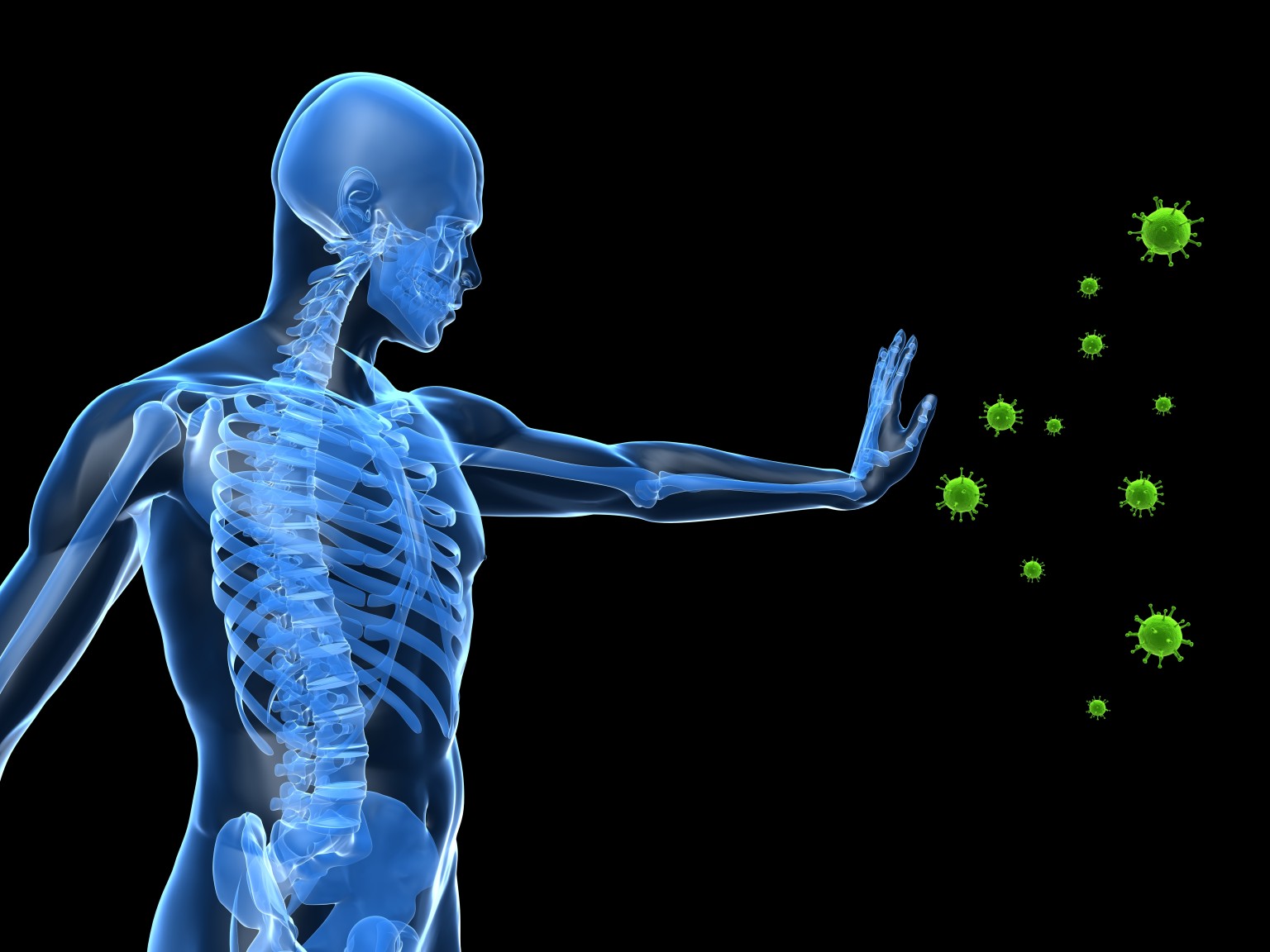
The results of a study conducted with the use of Wim Hof method suggest that a person can learn to consciously control his immune responses.

Wim Hof is a Dutch world record holder who is famous worldwide for his ability to resist cold. For this incredible invulnerability to cold, he was commonly nicknamed “the Iceman”.

Scientists led by Matthijs Kox of the Radboud University Medical Center in Nijmegen, the Netherlands, studied his method, which is somehow similar to the Tibetan Tummo technique (yoga of inner heat) and involves third-eye meditation, breathing exercises and cold exposure, and used it to train 12 volunteers to fend off inflammation.

In the framework of the study, 24 volunteers, including 12 people trained in the Wim Hof method and 12 who did not undergo any training, were subjected tothe inflammation test, during which they were injected with a strain of bacteria that provokes flu-like symptoms.

As a result, volunteers who underwent training with Hof method reported fewer and less intense flu-like symptoms than those who did not. At the same time, trained volunteers produced smaller amounts of proteins related to inflammation, and higher levels of interleukin-10, an inflammation-fighting protein.

Hitherto, both the autonomic nervous system and innate immune system were regarded as systems that cannot be voluntarily influenced. The present study demonstrates that, through practicing techniques learned in a short-term training program, the sympathetic nervous system and immune system can indeed be voluntarily influenced,” writes the scientific journal PNAS, where the study was published.

Orthodox neurobiologists and orthodox immunologists have been skeptical. They think the study of the interactions between the nervous and immune systems is a ‘field in the shadows’. This study is a nice way to show that link,” said Guiseppe Matarese, an immunologist of the University of Salerno in Italy who was not involved in the study.

Yet, it is not the only scientific study to show that the mind can control the immune system. In particular, Australian scientists came to the conclusion thatconsciousness is able to influence the intensity of the allergic reaction.

As a part of an experiment, several healthy volunteers had their arms injected with histamine, a substance that plays a major role in many allergic reactions. The experiment was structured so that they thought that the drug was injected in a rubber doll, while a real injection was made in their other arm.

After the experiment, the intensity of the allergic response on both arms of the volunteers was evaluated and compared to the one of the control group who had no rubber doll illusion. As a result, the researchers found that the volunteers who thought that the injection had been given to the doll manifested a much stronger effect of histamine on the arm that had been replaced by the fake one.

“Such a finding is particularly relevant to the immune system because a primary role of the immune system is to discriminate self from non-self,” said Prof Lorimer Moseley, who led the study. “These findings strengthen the argument that the brain exerts some kind of control over specific body parts according to how strongly we own them”.

Both studies show that the immune system can be influenced by the consciousness in many ways, which could mean that our thoughts, beliefs and mood can affect the physical state of our body. Knowing that, you can learn to control your thinking and thus your immune system and health. Focus on the bright side of life, visualize yourself being happy and healthy, meditate every day, and soon you will see positive changes not only in your health but in your whole life!


ABOUT THE AUTHOR

Anna LeMind is the owner and lead editor of the website Learning-mind.com, and a staff writer for The Mind Unleashed.


http://themindunleashed.org/2014/07/science-behind-consciously-controlling-your-immune-system-mind-body-connection.html