Written by: Tarun Goel • edited by: Lamar Stonecypher
Most rotational applications in industry and manufacturing depend on electric motors. Our day to day life depends on electronic and electrical devices, and they, too, in turn depend on electric motors. In this guide, we look at AC and DC motor designs and operational theory.
- Varying electric and magnetic fields result in rotary motion, and that is the principle used by most modern motors. Today we have various kinds of motors like conventional motors, brush-less motors, stepper motors, ball bearing motors, etc. These motors are used not only in heavy machinery but in the domestic appliances as well. Through this guide we will discuss various aspects related to working with AC and DC motors. How are motors designed? What needs to be considered before choosing a motor for particular operations? How do motors work? We have listed articles that will answer all your questions. These articles will equally help a practicing electrician and a young student trying to find out answers for the questions posed by his curious mind.

- Types of Electric Motors
- Although there are different types of motors available, the basic principle and working methodology of all motors is almost the same. The latest electronic technology has made things better in recent years and that is why today we have more different types of motors. We need not to rely on the conventional motors for all our work, and depending upon the type of work we want our machine to perform, we can select an AC or DC motor accordingly. Through the articles listed in this section, we will find detailed information about the working theory and operation of different types of AC and DC motors.
- From Operations to Maintenance
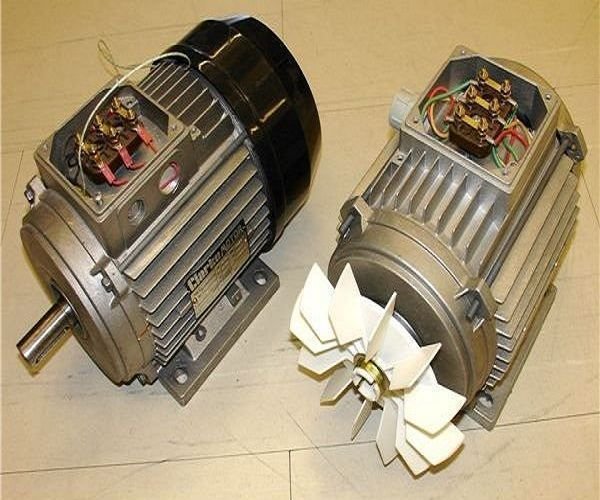
Now that we know about different types of AC and DC motors, we will now see how motors rotate, how can we make them efficient, and what lies inside them that make them rotate the heavy blades of large machines so easily. These articles can be of great help to practicing engineers, electricians, and students because they give detailed and in-depth information about AC and DC motor designs and operations, which are very helpful in the field. Learn how we can start an induction motors in different ways and what the important factors are that we need to consider while repairing AC and DC motors. You will also get to know about easy ways to repair minor flaws with your motors. After all you do not want to look like a motorcyclist who has a flat tire on a deserted road with no knowledge of how to use a puncture kit. Learn more about working with the electric motors through the listed articles.
- Modern Age Electric Motors
- Modern day electric motors might look like a robotic invention for someone who has never worked on anything other than a conventional motor. Synchronization of motors, electronic control of motors, working with changing voltages, and varying motor speed according to the operational requirement are some of the benefits of modern technology. Things have become easy with changing times, and modern age motors are capable of doing better and challenging tasks than their predecessors. If we look back into the time and history, we will find that AC and DC motors have undergone phenomenal changes in the last few decades and the speed with which the technology is growing, we will see powerful and efficient motors running our equipment in future, too. Learn more about the latest technology through articles listed in this section.
- The listed articles are written by experts, practicing electricians, and mechanical engineers. These articles give detailed insight into almost everything that concerns a person working with AC or DC motors. Are there any other topics concerning motor design and construction that you would like to see covered at Bright Hub? If so, please include your suggestions in the comments section below. Please note that comments are moderated and may take some time to appear.
-


