Mostrando postagens com marcador Cholesterol. Mostrar todas as postagens

segunda-feira, 26 de outubro de 2015

Risks of high cholesterol: Why you need to control it


High blood cholesterol promotes the narrowing and hardening of your arteries — a condition called atherosclerosis. Atherosclerosis progresses slowly and often without early symptoms, but it can lead to a variety of complications, including heart attack and stroke.

Excess low-density lipoprotein (LDL), or "bad," cholesterol can slowly build up in the walls of your arteries. It then combines with triglycerides — a form of fat in the blood — and other deposits such as calcium, cellular waste products and a fibrous, insoluble protein called fibrin to form plaques. These plaques can cause your arteries to narrow and harden.

Complications of atherosclerosis include:

  • Chest pain. Narrowed arteries make it more difficult for oxygen-rich blood to reach the heart muscle, which can cause chest pain.
  • Chronic kidney disease. If plaque builds up in the arteries in your kidneys, the organs can lose their ability to effectively remove waste and excess water from your body.
  • Peripheral arterial disease. Plaque buildup in major arteries that supply blood to the limbs — usually the legs — can cause cramping, numbness and weakness.
  • Heart attack. If plaques tear or rupture in a narrowed artery, a blood clot may form at that site, stopping blood flow to the heart. If the blockage occurs for long enough to damage the muscle, you'll have a heart attack.
  • Stroke. If a blood clot forms and blocks an artery inside or leading to the brain or if a clot travels from the heart to the brain, you can have a stroke.

The best way to manage your cholesterol and prevent atherosclerosis is by maintaining a healthy lifestyle. Avoid or limit risk factors by not smoking, eating a healthy diet and getting enough physical activity.

Also have your cholesterol checked regularly. Some people with atherosclerosis have no signs or symptoms, so their first indication is a heart attack or stroke.

If you already have high cholesterol or atherosclerosis or both, certain medications and medical procedures can treat these conditions. Talk with your doctor about possible risk factors and treatment options.

Sept. 03, 2015

References

See more In-depth

http://www.mayoclinic.org/diseases-conditions/high-blood-cholesterol/in-depth/high-cholesterol-risks/art-20096046%20

domingo, 13 de setembro de 2015

Cholesterol: Top foods to improve your numbers


Diet can play an important role in lowering your cholesterol. Here are the top foods to lower your cholesterol and protect your heart.

By Mayo Clinic Staff

Can a bowl of oatmeal help lower your cholesterol? How about a handful of walnuts or an avocado? A few simple tweaks to your diet — like these, along with exercise and other heart-healthy habits — might help you lower your cholesterol.

Oatmeal, oat bran and high-fiber foods

Oatmeal contains soluble fiber, which reduces your low-density lipoprotein (LDL), the "bad" cholesterol. Soluble fiber is also found in such foods as kidney beans, apples, pears, barley and prunes.

Soluble fiber can reduce the absorption of cholesterol into your bloodstream. Five to 10 grams or more of soluble fiber a day decreases your total and LDL cholesterol. Eating 1 1/2 cups of cooked oatmeal provides 6 grams of fiber. If you add fruit, such as bananas, you'll add about 4 more grams of fiber. To mix it up a little, try steel-cut oatmeal or cold cereal made with oatmeal or oat bran.

Fish and omega-3 fatty acids

Eating fatty fish can be heart healthy because of its high levels of omega-3 fatty acids, which can reduce your blood pressure and risk of developing blood clots. In people who have already had heart attacks, fish oil — or omega-3 fatty acids — may reduce the risk of sudden death.

Although omega-3 fatty acids don't affect LDL levels, because of their other heart benefits, the American Heart Association recommends eating at least two servings of fish a week. The highest levels of omega-3 fatty acids are in:

  • Mackerel
  • Lake trout
  • Herring
  • Sardines
  • Albacore tuna
  • Salmon
  • Halibut

You should bake or grill the fish to avoid adding unhealthy fats. If you don't like fish, you can also get small amounts of omega-3 fatty acids from foods such as ground flaxseed or canola oil.

You can take an omega-3 or fish oil supplement to get some of the benefits, but you won't get other nutrients in fish, such as selenium. If you decide to take a supplement, talk to your doctor about how much you should take.

Walnuts, almonds and other nuts

Walnuts, almonds and other tree nuts can improve blood cholesterol. Rich in mono- and polyunsaturated fatty acids, walnuts also help keep blood vessels healthy.

Eating about a handful (1.5 ounces, or 42.5 grams) a day of most nuts, such as almonds, hazelnuts, peanuts, pecans, some pine nuts, pistachio nuts and walnuts, may reduce your risk of heart disease. Make sure the nuts you eat aren't salted or coated with sugar.

All nuts are high in calories, so a handful will do. To avoid eating too many nuts and gaining weight, replace foods high in saturated fat with nuts. For example, instead of using cheese, meat or croutons in your salad, add a handful of walnuts or almonds.

Avocados

Avocados are a potent source of nutrients as well as monounsaturated fatty acids (MUFAs). According to a recent study, adding an avocado a day to a heart-healthy diet can help improve LDL levels in people who are overweight or obese.

People tend to be most familiar with avocados in guacamole, which usually is eaten with high-fat corn chips. Try adding avocado slices to salads and sandwiches or eating them as a side dish. Also try guacamole with raw cut vegetables, such as cucumber slices.

Replacing saturated fats, such as those found in meats, with MUFAs are part of what makes the Mediterranean diet heart healthy.

June 12, 2015

References


http://www.mayoclinic.org/diseases-conditions/high-blood-cholesterol/in-depth/cholesterol/art-20045192

quinta-feira, 23 de julho de 2015

Top 5 lifestyle changes to improve your cholesterol


Lifestyle changes can help reduce cholesterol, keep you off cholesterol-lowering medications or enhance the effect of your medications. Here are five lifestyle changes to get you started.

By Mayo Clinic Staff

High cholesterol increases your risk of heart disease and heart attacks. You can improve cholesterol with medications, but if you'd rather first make lifestyle changes to improve your cholesterol, try these five healthy changes. If you already take medications, these changes can improve their cholesterol-lowering effect.

1. Eat heart-healthy foods

Even if you have years of unhealthy eating under your belt, making a few changes in your diet can reduce cholesterol and improve your heart health.

  • Choose healthier fats. Saturated fats, found primarily in red meat and dairy products, raise your total cholesterol and low-density lipoprotein (LDL) cholesterol, the "bad" cholesterol. As a rule, you should get less than 7 percent of your daily calories from saturated fat. Choose leaner cuts of meat, low-fat dairy and monounsaturated fats — found in olive and canola oils — for healthier options.
  • Eliminate trans fats. Trans fats affect cholesterol levels by increasing the "bad" cholesterol and lowering the "good" cholesterol. This bad combination increases the risk of heart attacks. Trans fats can be found in fried foods and many commercial products, such as cookies, crackers and snack cakes. But don't rely on packages that are labeled "trans fat-free." In the United States, if a food contains less than 0.5 grams of trans fat in a serving, it can be labeled "trans fat-free."

    Even small amounts of trans fat can add up if you eat foods that contain small amounts of trans fat. Read the ingredient list, and avoid foods with partially hydrogenated oils.

  • Eat foods rich in omega-3 fatty acids. Omega-3 fatty acids don't affect LDL cholesterol. They have other heart benefits, such as helping to increase high-density lipoprotein (HDL, or "good") cholesterol, reducing your triglycerides, a type of fat in your blood, and reducing blood pressure. Some types of fish — such as salmon, mackerel and herring — are rich in omega-3 fatty acids. Other good sources of omega-3 fatty acids include walnuts, almonds and ground flaxseeds.
  • Increase soluble fiber. There are two types of fiber — soluble and insoluble. Both have heart-health benefits, but soluble fiber also helps lower your LDL levels. You can add soluble fiber to your diet by eating oats and oat bran, fruits, beans, lentils, and vegetables.
  • Add whey protein. Whey protein is one of two proteins in dairy products — the other is casein. Whey protein may account for many of the health benefits attributed to dairy. Studies have shown that whey protein given as a supplement lowers both LDL and total cholesterol.

    You can find whey protein powders in health food stores and some grocery stores. Follow the package directions for how to use them.

2. Exercise on most days of the week and increase your physical activity

Exercise can improve cholesterol. Moderate physical activity can help raise high-density lipoprotein (HDL) cholesterol, the "good" cholesterol. With your doctor's OK, work up to at least 30 minutes of exercise a day.

Adding physical activity, even in 10-minute intervals several times a day, can help you begin to lose weight. Just be sure that you can keep up the changes you decide to make. Consider:

  • Taking a brisk daily walk during your lunch hour
  • Riding your bike to work
  • Swimming laps
  • Playing a favorite sport

To stay motivated, find an exercise buddy or join an exercise group. And remember, any activity is helpful. Even taking the stairs instead of the elevator or doing a few situps while watching television can make a difference.

3. Quit smoking

If you smoke, stop. Quitting might improve your HDL cholesterol level. And the benefits don't end there.

Within 20 minutes of quitting, your blood pressure and heart rate decrease. Within one year, your risk of heart disease is half that of a smoker. Within 15 years, your risk of heart disease is similar to someone who never smoked.

4. Lose weight

Carrying even a few extra pounds contributes to high cholesterol. Losing as little as 5 to 10 percent of your weight can improve cholesterol levels.

Start by evaluating your eating habits and daily routine. Consider your challenges to weight loss and ways to overcome them.

Small changes add up. If you eat when you're bored or frustrated, take a walk instead. If you pick up fast food for lunch every day, pack something healthier from home. For snacks, munch on carrot sticks or air-popped popcorn instead of potato chips. Don't eat mindlessly.

And look for ways to incorporate more activity into your daily routine, such as using the stairs instead of taking the elevator or parking farther from your office.

5. Drink alcohol only in moderation

Moderate use of alcohol has been linked with higher levels of HDL cholesterol — but the benefits aren't strong enough to recommend alcohol for anyone who doesn't already drink. If you drink alcohol, do so in moderation. For healthy adults, that means up to one drink a day for women of all ages and men older than age 65, and up to two drinks a day for men age 65 and younger.

Too much alcohol can lead to serious health problems, including high blood pressure, heart failure and stroke.

If lifestyle changes aren't enough ...

Sometimes healthy lifestyle changes aren't enough to lower cholesterol levels. Make sure the changes you make are ones you can continue to do, and don't be disappointed if you don't see results immediately. If your doctor recommends medication to help lower your cholesterol, take it as prescribed, but continue your lifestyle changes. Lifestyle changes can help you keep your medication dose low.

June 19, 2015

References

See more In-depth

quarta-feira, 15 de julho de 2015

Top 5 lifestyle changes to improve your cholesterol


Lifestyle changes can help reduce cholesterol, keep you off cholesterol-lowering medications or enhance the effect of your medications. Here are five lifestyle changes to get you started.

By Mayo Clinic Staff

High cholesterol increases your risk of heart disease and heart attacks. You can improve cholesterol with medications, but if you'd rather first make lifestyle changes to improve your cholesterol, try these five healthy changes. If you already take medications, these changes can improve their cholesterol-lowering effect.

1. Eat heart-healthy foods

Even if you have years of unhealthy eating under your belt, making a few changes in your diet can reduce cholesterol and improve your heart health.

  • Choose healthier fats. Saturated fats, found primarily in red meat and dairy products, raise your total cholesterol and low-density lipoprotein (LDL) cholesterol, the "bad" cholesterol. As a rule, you should get less than 7 percent of your daily calories from saturated fat. Choose leaner cuts of meat, low-fat dairy and monounsaturated fats — found in olive and canola oils — for healthier options.
  • Eliminate trans fats. Trans fats affect cholesterol levels by increasing the "bad" cholesterol and lowering the "good" cholesterol. This bad combination increases the risk of heart attacks. Trans fats can be found in fried foods and many commercial products, such as cookies, crackers and snack cakes. But don't rely on packages that are labeled "trans fat-free." In the United States, if a food contains less than 0.5 grams of trans fat in a serving, it can be labeled "trans fat-free."

    Even small amounts of trans fat can add up if you eat foods that contain small amounts of trans fat. Read the ingredient list, and avoid foods with partially hydrogenated oils.

  • Eat foods rich in omega-3 fatty acids. Omega-3 fatty acids don't affect LDL cholesterol. They have other heart benefits, such as helping to increase high-density lipoprotein (HDL, or "good") cholesterol, reducing your triglycerides, a type of fat in your blood, and reducing blood pressure. Some types of fish — such as salmon, mackerel and herring — are rich in omega-3 fatty acids. Other good sources of omega-3 fatty acids include walnuts, almonds and ground flaxseeds.
  • Increase soluble fiber. There are two types of fiber — soluble and insoluble. Both have heart-health benefits, but soluble fiber also helps lower your LDL levels. You can add soluble fiber to your diet by eating oats and oat bran, fruits, beans, lentils, and vegetables.
  • Add whey protein. Whey protein is one of two proteins in dairy products — the other is casein. Whey protein may account for many of the health benefits attributed to dairy. Studies have shown that whey protein given as a supplement lowers both LDL and total cholesterol.

    You can find whey protein powders in health food stores and some grocery stores. Follow the package directions for how to use them.

2. Exercise on most days of the week and increase your physical activity

Exercise can improve cholesterol. Moderate physical activity can help raise high-density lipoprotein (HDL) cholesterol, the "good" cholesterol. With your doctor's OK, work up to at least 30 minutes of exercise a day.

Adding physical activity, even in 10-minute intervals several times a day, can help you begin to lose weight. Just be sure that you can keep up the changes you decide to make. Consider:

  • Taking a brisk daily walk during your lunch hour
  • Riding your bike to work
  • Swimming laps
  • Playing a favorite sport

To stay motivated, find an exercise buddy or join an exercise group. And remember, any activity is helpful. Even taking the stairs instead of the elevator or doing a few situps while watching television can make a difference.

3. Quit smoking

If you smoke, stop. Quitting might improve your HDL cholesterol level. And the benefits don't end there.

Within 20 minutes of quitting, your blood pressure and heart rate decrease. Within one year, your risk of heart disease is half that of a smoker. Within 15 years, your risk of heart disease is similar to someone who never smoked.

June 19, 2015

References

See more In-depth

quinta-feira, 22 de janeiro de 2015

Cholesterol medications: Consider the options


By Mayo Clinic Staff

A healthy lifestyle is the first defense against high cholesterol. But sometimes diet and exercise aren't enough, and you may need to take cholesterol medications. Cholesterol medications may help:

  • Decrease your low-density lipoprotein (LDL) cholesterol, the "bad" cholesterol that increases the risk of heart disease
  • Decrease your triglycerides, a type of fat in the blood that also increases the risk of heart disease
  • Increase your high-density lipoprotein (HDL) cholesterol, the "good" cholesterol that offers protection from heart disease

Your doctor may suggest a single drug or a combination of cholesterol medications. Here's an overview of benefits, cautions and possible side effects for common classes of cholesterol medications.

Drug class and drug names
Benefits
Possible side effects and cautions

Statins
Altoprev (lovastatin)
Crestor (rosuvastatin)
Lescol (fluvastatin)
Lipitor (atorvastatin)
Mevacor (lovastatin)
Pitavastatin (Livalo)
Pravachol (pravastatin)
Zocor (simvastatin)
Decrease LDL and triglycerides; slightly increase HDL
Constipation, nausea, diarrhea, stomach pain, cramps, muscle soreness, pain and weakness; possible interaction with grapefruit juice

Bile acid binding resins
Colestid (colestipol)
Questran (cholestyramine/ sucrose)
Welchol (colesevelam)
Decrease LDL
Constipation, bloating, nausea, gas; may increase triglycerides

Cholesterol absorption inhibitor
Zetia (ezetimibe)
Decreases LDL; slightly decrease triglycerides; slightly increase HDL
Stomach pain, fatigue, muscle soreness

Combination cholesterol absorption inhibitor and statin
Vytorin (ezetimibe-simvastatin)
Decreases LDL and triglycerides; increases HDL
Stomach pain, fatigue, gas, constipation, abdominal pain, cramps, muscle soreness, pain and weakness; possible interaction with grapefruit juice

Fibrates
Lofibra (fenofibrate)
Lopid (gemfibrozil)
TriCor (fenofibrate)
Decrease triglycerides; increase HDL
Nausea, stomach pain, gallstones

Niacin
Niaspan (prescription niacin)
Decreases LDL and triglycerides; increases HDL
Facial and neck flushing, nausea, vomiting, diarrhea, gout, high blood sugar, peptic ulcers

Combination statin and niacin
Advicor (niacin-lovastatin)
Decreases LDL and triglycerides; increases HDL
Facial and neck flushing, dizziness, heart palpitations, shortness of breath, sweating, chills; possible interaction with grapefruit juice

Omega-3 fatty acids
Lovaza (prescription omega-3 fatty acid supplement)
Vascepa (Icosapent ethyl)
Decrease triglycerides
Belching, fishy taste, increased infection risk

Most cholesterol medications lower cholesterol with few side effects, but effectiveness varies from person to person. If you decide to take cholesterol medication, your doctor may recommend periodic liver function tests to monitor the medication's effect on your liver. Also remember the importance of healthy lifestyle choices. Medication can help control your cholesterol — but lifestyle matters, too.

Aug. 26, 2014

References

See more In-depth

sábado, 27 de dezembro de 2014

Cholesterol: What numbers should you aim for?


What do your cholesterol numbers mean?

A simple blood test called a lipid profile can tell you how much good, bad and total cholesterol you have in your blood, as well as your level of triglycerides, another form of fat in your blood.

Your doctor will ask that you go without foods and liquids other than water for nine to 12 hours before the test so that you'll get accurate measurements. In the United States and some other countries, your test results will list cholesterol levels in units called milligrams per deciliter (mg/dL) of blood. Canada and most European countries measure cholesterol in millimoles per liter (mmol/L) of blood.

Here are some guidelines to help you make sense of the numbers:

Total cholesterol (U.S. and some other countries)
Total cholesterol* (Canada and most of Europe)

*Canadian and European guidelines differ slightly from U.S. guidelines. These conversions are based on U.S. guidelines.

Below 200 mg/dL
Below 5.2 mmol/L
Desirable

200-239 mg/dL
5.2-6.2 mmol/L
Borderline high

240 mg/dL and above
Above 6.2 mmol/L
High

LDL cholesterol (U.S. and some other countries)
LDL cholesterol* (Canada and most of Europe)

*Canadian and European guidelines differ slightly from U.S. guidelines. These conversions are based on U.S. guidelines.

Below 70 mg/dL
Below 1.8 mmol/L
Ideal for people at very high risk of heart disease

Below 100 mg/dL
Below 2.6 mmol/L
Ideal for people at risk of heart disease

100-129 mg/dL
2.6-3.3 mmol/L
Near ideal

130-159 mg/dL
3.4-4.1 mmol/L
Borderline high

160-189 mg/dL
4.1-4.9 mmol/L
High

190 mg/dL and above
Above 4.9 mmol/L
Very high

HDL cholesterol (U.S. and some other countries)
HDL cholesterol* (Canada and most of Europe)

*Canadian and European guidelines differ slightly from U.S. guidelines. These conversions are based on U.S. guidelines.

  1. Below 40 mg/dL (men)
  2. Below 50 mg/dL (women)
  1. Below 1 mmol/L (men)
  2. Below 1.3 mmol/L (women)

Poor
  1. 40-49 mg/dL (men)
  2. 50-59 mg/dL (women)
  1. 1-1.3 mmol/L (men)
  2. 1.3-1.5 mmol/L (women)

Better

60 mg/dL and above
Above 1.5 mmol/L
Best

If it turns out you have high cholesterol, your doctor may prescribe lifestyle changes, such as exercise and a healthy diet, as well as medication, to help control your cholesterol.

References

See more In-depth

segunda-feira, 22 de setembro de 2014

Top 10 Foods to Lower Cholesterol

humour-icon

A bad diet is a key cause of unhealthy cholesterol levels. But here are the top...

  •  

    If you have unhealthy cholesterol levels (or want to prevent them), one of the first things you should examine is your diet. Are you eating foods that help reduce cholesterol? Or avoiding the ones that cause unhealthy cholesterol levels to creep higher? If not, we've got 10 cholesterol-lowering foods you should grab next time you're at the grocery store. Bonus: Lowering your bad (LDL) cholesterol can make your RealAge 3.3 years younger if you're a man, 0.6 years younger if you're a woman!

  • Almonds and Cholesterol


    Almonds and Cholesterol

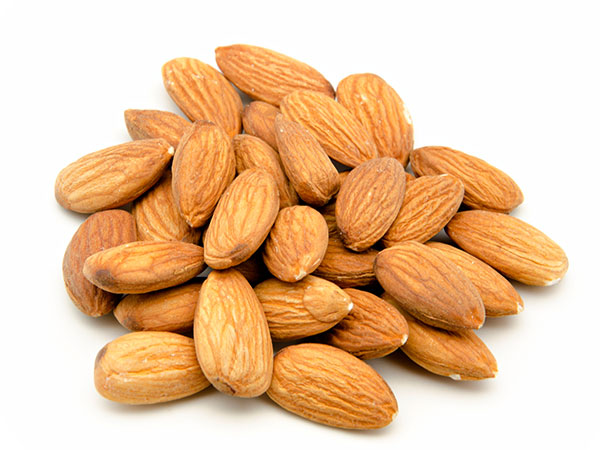
    Almonds are pretty hardworking nuts when it comes to lowering your cholesterol. First, they're rich in unsaturated fats that help raise healthy HDL cholesterol while lowering unhealthy LDL. Second, these fats also help make LDL cholesterol less likely to oxidize. Which is a fabulous thing, because when LDL oxidizes, it's more likely to gunk up your arteries and cut blood flow to the heart. Snack away. But do keep an eye on portion size. Almonds are high in calories, and all you need are a couple of ounces a day to reap benefits.

  •  

    Drink Orange Juice

    OJ manufacturers are doing everything they can to make their health food more appealing -- including fortifying their juice with plant-derived cholesterol-busting compounds known as phytosterols. A review of 84 scientific studies revealed that getting 2 grams of phytosterols a day - the amount in a couple 8-ounce glasses of sterol-fortified OJ -- could help lower harmful LDL levels by more than 8 percent. Check with your doctor first regarding whether citrus will interact with any of your medications. If it does, look for sterol-fortified margarine, milk, soymilk, cheese, or breads instead.

  •  

    About Olive Oil and Cholesterol

    This oil is a nutritional superstar -- rich in antioxidants and heart-healthy monounsaturated fats that help lower "bad" LDL cholesterol and increase "good" HDL. In fact, in a study of people with high cholesterol, blood samples showed less potential for harmful clotting just two hours after the study subjects ate a meal with olive oil. That's because olive oil is rich in phenolics, plant substances that makes blood less likely to clot. All you need is about 2 tablespoons a day for benefit (use it in place of other fats).

  •  

    Steamed Asparagus

    There's nothing wrong with a platter of crudités or a salad if you want to improve your diet, but steaming may help improve the cholesterol-lowering capabilities of some produce, including asparagus. Other veggies that get better after a short bout in the steam: beets, okra, carrots, eggplant, green beans, and cauliflower. Researchers think steaming these veggies may help them do a better job of binding bile acids, which means your liver needs to use up more LDL cholesterol into order to make bile. That translates into less circulating LDL in your bloodstream.

  •  

    Oatmeal and Cholesterol

    Your mama was right. Starting the day with a bowl of warm, toasty oatmeal is a smart move. Of all the whole grains, oats are the best source of soluble fiber -- the kind that forms a gel to prevent cholesterol from being absorbed into your bloodstream. Shoot for five to 10 grams of soluble fiber per day. If you have 1¼ cups of cooked oatmeal for breakfast, you'll start your day with 5 grams of the stuff. Top your oatmeal with a chopped-up apple for an extra 3 grams of fiber, and you're set.

  •  

    Cook Pinto Beans

    Next time you make chili, add pinto beans to the pot. They're packed with soluble fiber to help drive down cholesterol. And in a study, people who ate a half-cup of pinto beans a day lowered their total cholesterol by 8 percent in just 12 weeks. Ole! (Tip: If you use canned beans, rinse them to wash away excess sodium.)

  •  

    Blueberries Lower Cholesterol

    You've heard by now that blueberries are a nutritious superfood. One reason why they're so great? They help keep your arteries clear by reducing blood levels of artery-clogging LDL. Researchers suspect it's because the berries support liver function so well. The end result: cholesterol gets swept out of your system much more easily. Enjoy blueberries fresh, frozen, or freeze-dried. They still have the same benefits.

  •  

    Tomatoes and Cholesterol

    Include lycopene-rich tomato products in your diet every day for a few weeks, and you may knock your bad LDL cholesterol levels down by as much as 10 percent, according to a recent study. Researchers think the lycopene in tomatoes inhibits LDL production while at the same time helping break down this artery-clogging fat. You'll need to consume at least 25 milligrams of lycopene a day for cholesterol benefits. That's about a half cup of tomato sauce. Bring on the marinara!

  •  

    About Avocado and Cholesterol

    We always keep ripe avocados in the RealAge kitchen. Why? They're chock-full of heart-healthy monounsaturated fats that help knock down bad LDL cholesterol and triglycerides while boosting healthy HDL cholesterol. Even better, we love the fruit's (yep, it's a fruit) mild flavor and creamy texture. Mash avocado into guacamole, add slices to a sandwich, chop it up in a salad, or -- for a tasty snack -- simply spread a little on whole-grain crackers with a tiny pinch of coarse sea salt.

  •  

    About Chocolate and Cholesterol

    If you're a chocoholic, here's some good news. Study after study confirms dark chocolate is pretty amazing, healthy stuff. It's full of flavonoids, which are antioxidants that help lower cholesterol. It also has oleic acid, the same type of heart-healthy monounsaturated fat found in olive oil. To improve your cholesterol, just have a little nibble -- up to 1 ounce of dark chocolate a day. And check the label to make sure your chocolate is at least 70 percent cocoa. Cocoa is the stuff with all the heart-healthy ingredients.

Snap 2014-09-12 at 10.23.14

quinta-feira, 22 de maio de 2014

Cholesterol plays key role in cell migration, study shows


May 21, 2014

Universidad de Barcelona

Cholesterol plays a key role in cell mobility and tissue invasion, scientists have concluded. The results of a study prove that the accumulation of LDL cholesterol cells —- the one carried by low-density lipoproteins -— may play a crucial role in promoting cell mobility. On the contrary, high levels of HDL cholesterol —- the one carried by high-density lipoproteins -— may avoid cell propagation. This is a key study to better understand cancer metastasis, the process in which cancer cells invade healthy tissues, and foster the discussion on the relationship between cholesterol levels and cancer incidence.


Researchers Carles Enrich, Meritxell Reverter, Anna Álvarez Guaita, Ana García Melero, Carles Rentero and Elsa Meneses, at the Faculty of Medicine of UB.

University of Barcelona's researchers led by Professor Carles Enrich, from the Department of Cell Biology, Immunology and Neurosciences of the Faculty of Medicine at the University of Barcelona (UB) and CELLEX Biomedical Research Centre of IDIBAPS, have found that cholesterol plays a key role in cell mobility and tissue invasion. The results of the study prove that the accumulation of LDL cholesterol cells -- the one carried by low-density lipoproteins -- may play a crucial role in promoting cell mobility. On the contrary, high levels of HDL cholesterol -- the one carried by high-density lipoproteins -- may avoid cell propagation. This is a key study to better understand cancer metastasis, the process in which cancer cells invade healthy tissues, and foster the discussion on the relationship between cholesterol levels and cancer incidence.

Daniel Grinberg and Lluïsa Vilageliu, from the Department of Genetics of the Faculty of Biology, and Joan Blasi, from the Department of Pathology and Experimental Therapy of the Faculty of Medicine, participated in the paper, published on the journal Cell Reports. Researchers from the Garvan Institute of Medical Research, the University of Sidney (Australia), Queensland University of Technology (Brisbane, Australia) and the University of Hamburg (Germany) also collaborated in the study.

The study was developed by means of experiments carried out with cell cultures of patients with Niemann-Pick disease. These people present a genetic anomaly that causes cholesterol accumulation in the cell; that produces different motor and neurological disorders. "It is generally thought that cholesterol, one of the most important lipids in our body, is in the blood; but few people ask themselves what cholesterol does in the cell," points out Carles Enrich. "Cholesterol -- adds the researcher -- plays different functions in the cell. Besides being crucial to produce membranes, it also regulates vesicular trafficking. Now, it has been proved that cholesterol plays a key role in the regulation of other mechanisms, for instance cell mobility and propagation and, therefore, it is a crucial factor in metastasis."

Most cells in our body bind other cells by means of integrins, molecules that act as bridges located at the cell surface. UB researchers explored how integrins move in the cells and discovered cholesterol's key role. Enrich points out that "in the cell, cholesterol controls the trafficking of vesicles, which are responsible for transporting integrins to cell surface. Cholesterol depletion in the trans-Golgi network interferes integrin trafficking which has direct repercussions on cell migration."

New knowledge about the mechanisms of cancer metastasis

The study provides new therapeutic options to control metastasis and points out a strategy to be applied to cancer patients who also have cholesterol disorders. "It must be considered that the drugs prescribed to regulate cholesterol may modify cell migration ability. Therefore, progress in personalized therapy is absolutely important," highlights Enrich.

Now, researchers' challenge is to understand why cholesterol stays in the cell. "We want to study what endosome membrane mechanisms block intracellular traffic and hold cholesterol and their negative consequences for our health," concludes Carles Enrich.


Story Source:

The above story is based on materials provided by Universidad de Barcelona. Note: Materials may be edited for content and length.


Journal Reference:

  1. Meritxell Reverter, Carles Rentero, Ana Garcia-Melero, Monira Hoque, Sandra Vilà de Muga, Anna Álvarez-Guaita, James R.W. Conway, Peta Wood, Rose Cairns, Lilia Lykopoulou, Daniel Grinberg, Lluïsa Vilageliu, Marta Bosch, Joerg Heeren, Juan Blasi, Paul Timpson, Albert Pol, Francesc Tebar, Rachael Z. Murray, Thomas Grewal, Carlos Enrich. Cholesterol Regulates Syntaxin 6 Trafficking at trans-Golgi Network Endosomal Boundaries. Cell Reports, 2014; 7 (3): 883 DOI: 10.1016/j.celrep.2014.03.043

segunda-feira, 19 de maio de 2014

Lower Cholesterol May Lessen Risk of Some Cancers


cholesterol-cancer

Getty Images

THURSDAY, Nov. 5 (Health.com) — Most people know that healthy cholesterol levels can help protect your heart. But new research suggests another potential benefit: a lower risk of developing some types of cancer.
In fact, low total cholesterol is associated with about 60% less risk of the most aggressive form of prostate cancer, and higher levels of good cholesterol (HDL) may protect against lung, liver, and other cancers, according to two studies published this week in the journal Cancer Epidemiology, Biomarkers & Prevention.

Thats quite a reversal of fortune for low cholesterol, which has, in the past, been associated with a higher cancer risk. The new studies suggest that low cholesterol may not deserve its bad reputation, earned from a series of studies in the 1980s that said people with low cholesterol might be at risk of cancer.
In fact, cholesterol may drop in people with undiagnosed cancer, meaning that low cholesterol may be a result—not a cause—of cancer.
In the first study, men with HDL cholesterol above roughly 55 mg/dL had an 11% decrease in overall cancer risk, including lung and liver cancer. (HDL levels between 40 and 50 are average for men.) The study, conducted by National Cancer Institute (NCI) researchers who looked at about 29,000 male smokers in Finland over an 18-year period, is the largest to show a relationship between HDL and cancer.
"Very few studies measured [HDL], and any relationship between HDL and overall cancer risk had therefore not been adequately evaluated," the NCI's Demetrius Albanes, MD, the lead author of the study, said at a press briefing.
While the findings are new and intriguing, more research needs to be conducted to confirm a link between HDL and cancer risk reduction.
“[Its] a very new, exciting question, but we need to do a great deal more research before we have any clear answers," says Eric Jacobs, PhD, an epidemiologist with the American Cancer Society, who co-wrote an editorial accompanying the studies. For his part, Dr. Albanes stressed that the results need to be confirmed, especially in women and nonsmokers.

Next : Can cholesterol-lowering drugs help?

sexta-feira, 18 de abril de 2014

High colesterol


Almonds Avacados Lentils and beans

Almonds play a role in helping lower cholesterol. Properties in almond skins protect against LDL (the bad cholesterol) and can reduce the risk of heart disease. The fibre structure of almonds may also prevent weight gain. Try eating a handful of almonds each day.

Avocados have also been shown to reduce the production of LDL - the bad cholesterol, and increase the good cholesterol in those that have slightly raised cholesterol. Avocados can also provide protection against breast cancer, heart disease and strokes and help aid digestion.

Beans and lentils have been proven to lower levels of bad cholesterol dramatically when eaten as part of a low-fat diet. They are also packed with nutrients and preventative properties that help combat aging and diabetes. Try adding beans and lentils to salads, soups or casseroles.

http://www.buyagift.co.uk/content/foodhealth/index.html

quarta-feira, 9 de abril de 2014

FDA Considering Statin Use for Those With Normal Cholesterol


crestor-cholesterol

MONDAY, Dec. 19, 2009 (Health.com) — Should people who dont have high cholesterol take a cholesterol-lowering statin? Maybe, according to the U.S. Food and Drug Administration (FDA), which is considering an advisory panels recent recommendation to do just that.
If the FDA adopts the panel's recommendation—the agency isn't required to do so, but typically does in such cases—it would mark the first time that a statin was approved for heart-disease-free people with healthy cholesterol levels but other risk factors, including high levels of C-reactive protein (CRP), a marker of inflammation.
It would also mean that roughly 6 million new patients would be eligible to take a statin—in this case, Crestor (rosuvastatin).
The recommendation “changes medical practice dramatically [and] will work its way into the guidelines," says Steven E. Nissen, MD, the chairman of cardiovascular medicine at the Cleveland Clinic.
Cardiologists are divided over the expanded use of the drug. Some say it will help fight heart disease; others are concerned about the data used by the panel and the potential side effects of statins. Adding to the debate is a new study, published this week in The Lancet, that calls into question the strength of the connection between CRP and heart disease.
The panel's decision was based almost entirely on the Jupiter trial, a study funded by Crestors maker, AstraZeneca, that compared a daily dose of Crestor to placebo in nearly 18,000 people who fit the description used by the panel (and who would not be eligible for a statin under the current guidelines).
“There was a 44% reduction in death, heart attack, and stroke among people taking Crestor,” says Dr. Nissen. “The benefit was very large and happened very quickly."
“I dont think the new labeling recommendation is really controversial," he adds. "The decision was very straightforward and among the people who treat lipids, this is a no-brainer."

Next Page: Not all experts agree

página 2

Not all experts agree. Cholesterol is clearly not the only risk factor for cardiovascular disease—half of all heart attacks occur in people with normal levels of LDL, or bad cholesterol—but the accuracy of CRP as a predictor of cardiac risk has been disputed. And because statins, like many drugs, carry a risk of potentially serious side effects, the evidence for CRP may not be strong enough to justify prescribing these drugs to healthy people over the long term, they say.
Stephen Kopecky, MD, a professor of medicine and cardiovascular disease at the Mayo Clinic, in Rochester, Minn., points out that elevated CRP levels don't necessarily indicate an increased risk of heart disease. “There are a lot of things that make CRP levels increase that are not due to heart disease,” he says. Because CRP is a generic marker of inflammation, it can rise due to any condition that causes inflammation, such as an infection, he says.
In the Lancet study, the largest analysis of its kind to date, researchers analyzed the role of CRP in heart attack, stroke, and numerous other conditions (such as cancer) in more than 160,000 people. The study found that people whose CRP levels were three times higher than average had a 68% increased risk of heart attack and a 39% increased risk of stroke. But when more traditional risk factors for heart disease—such as cholesterol and blood pressure—were taken into account, the connection between CRP and heart disease was less apparent. Their findings, they write, "reduce the likelihood" that heart disease is directly caused by CRP.
Maria Belalcazar, MD, an assistant professor of endocrinology at University of Texas Medical Branch, in Galveston, says that CRP “is one more indicator of risk that we need to evaluate carefully to decide if a person needs [statin] therapy."
CRP, however, "needs to be evaluated in context of patients overall risk,” she says. “The whole risk profile needs to be taken into consideration for primary prevention because we are committing a person to taking the medication for more than 20 years.”
Although statins are generally well tolerated, side effects can include muscle pain or weakness and liver damage (which is usually reversible). In the Jupiter trial, a greater percentage of participants taking Crestor developed diabetes during the study; there were also 13 deaths related to gastrointestinal disorders and 18 patients who reported "a confusional state."
The advisory panel—as well as a separate FDA reviewer—decided that the benefits of Crestor outweighed these risks, however.
This may indeed be true in people who need to lower their LDL cholesterol, but it isn't necessarily the case among people with normal cholesterol, says Dr. Kopecky.
Dr. Nissen says that although liver enzymes rise in people who take statins, "there is no risk of liver failure," and "muscle weakness is real, but rare," he says.
"These are among the safest drugs and I am glad we have them,” he says.
For his part, Dr. Kopecky stresses that the emphasis on CRP, cholesterol, and statin therapy should not distract people—and physicians—from other important factors in heart disease, such as family history and lifestyle.
Statin therapy is useful, Dr. Kopecky says, but it shouldn't take the place of healthy living. “Statins are a great drug for the right person, but we have to make sure that their lifestyle is healthy before jumping to a medication,” he says.
"You just cant jump to medical therapy,” he explains. “I ask [patients],‘Do you exercise and eat five servings of fruits and vegetables a day? Do you smoke? Is your weight in a reasonable range? Living a healthy lifestyle can cut your chance of heart attack or stroke by 90% in decades. That's better than any therapy.”


 (143)