quarta-feira, 9 de setembro de 2015

New wearable technology can sense appliance use, help track carbon footprint


This MagnifiSense research prototype can sense what appliances its wearer is using, based on the electromagnetic radiation emanating from devices such as blenders, remote controls or even automobiles.

Credit: University of Washington

In today's smart home, technologies can track how much energy a particular appliance like a refrigerator or television or hair dryer is gobbling up. What they don't typically show is which person in the house actually flicked the switch.

A new wearable technology developed at the University of Washington called MagnifiSense can sense what devices and vehicles the user interacts with throughout the day, which can help track that individual's carbon footprint, enable smart home applications or even assist with elder care.

In a study to be presented this week at the 2015 ACM International Joint Conference on Pervasive and Ubiquitous Computing, MagnifiSense correctly classified 94 percent of users' interactions with 12 common devices after a quick one-time calibration, including microwaves, blenders, remote controls, electric toothbrushes, laptops, light dimmers, and even cars and buses. Even without the calibration, MagnifiSense was still correct 83 percent of the time.

The sensor worn on the wrist uses unique electromagnetic radiation signatures generated by electrical components or motors in those devices to pinpoint when its wearer flicks a light switch, turns on a stove or even boards a train.

"It's another way to log what you're interacting with so at the end of the day or month you can see how much energy you used," said Shwetak Patel, Washington Research Foundation Endowed Professor of Computer Science & Engineering and Electrical Engineering, who directs the UW Ubicomp Lab.

"Right now, we can know that lights are 20 percent of your energy use. With this, we divvy it up and say who consumed that energy," said Patel. In a 24-hour test in which a single user did everything from read on a laptop to cook dinner and take a bus ride, the system correctly identified 25 out of 29 interactions with various devices and vehicles.

MagnifiSense also has potential for other smart home applications, such as recognizing a user's preference for interacting with an appliance or device. By sensing whether an adult or child is turning on a television or tablet, for instance, a system could automatically display their favorite programs or tailor the device with appropriate selections.

In assisted living settings or nursing homes, the wearable sensor could help keep track of how efficiently elderly people are going about everyday tasks such as cooking or grooming. It could also detect when a stove has been left on for a long period of time and help alert someone to that danger.

"The nice thing with MagnifiSense is that you don't have to instrument every single appliance in your house, which gets expensive and cumbersome," said lead author Edward Wang, a UW electrical engineering doctoral student. "It can also sense some of the blank spots that other technologies can't, like battery-powered devices."

The team combined three simple, off-the-shelf sensors that use inductors, or coils of wire wound around magnets. Those proved to be the most accurate without being so power-hungry that wearing them would be impractical.

The sensors also capture a broad frequency range that allows the system to differentiate between electromagnetic radiation emanating from the unique combinations of electronic components such as motors, rectifiers and modulators embedded in everyday devices.

"When a blender turns on, for instance, modulators change the current profile of the device and create something similar to a vocal cord pattern," Wang said. "A blender 'sings' quite differently than a hair dryer even though to our ears they sound similar."

The team also developed innovative signal processing and machine learning algorithms to help the system correctly match those patterns with a particular type of device.

One advantage to a wearable option is that anyone concerned about privacy issues can control when they use it, researchers said, or simply take it off.

Next steps include testing MagnifiSense on a wider variety of devices and distinguishing between multiple devices operating in close proximity. In preliminary tests, for instance, MagnifiSense had the most trouble correctly classifying a handful of particular toothbrushes, shavers and cars.

The researchers also plan to work on miniaturizing their proof-of-concept device into something that could be embedded into a watch or band. Based on its investigation, the team believes that with slight improvement to the update rate of magnetic sensors in current smartphones and smartwatches, MagnifiSense could soon be enabled on new devices with a simple software upgrade.

"We think it could be integrated into any wrist-sized product," said Patel. "The next steps are really to look at what other devices we can detect and work on a prototype that's wearable."

Co-authors include UW electrical engineering doctoral student Tien-Jui Lee, UW computer science and engineering doctoral students Alex Mariakakis and Mayank Goel, and Sidhant Gupta.


Story Source:

The above post is reprinted from materials provided by University of Washington. Note: Materials may be edited for content and length.


http://www.sciencedaily.com/releases/2015/09/150909091227.htm


Depression in women: Understanding the gender gap


About twice as many women as men experience depression. Several factors may increase a woman's risk of depression.

 By Mayo Clinic Staff

About 1 in 5 women develop depression at some point in life. Women are nearly twice as likely as men to have depression. Depression can occur at any age, but it's most common in women between the ages of 40 and 59.

Some mood changes and depressed feelings occur with normal hormone changes. But hormone changes alone don't cause depression. Other biological factors, inherited traits and life experiences are also involved. Here's what contributes to depression in women — and what you can do about it.

Puberty

After puberty, depression rates are higher in females than in males. Because girls typically reach puberty before boys do, they're more likely to develop depression at an earlier age than boys. This depression gender gap lasts until after menopause.

Hormone changes during puberty may increase some girls' risk of developing depression. However, temporary mood swings related to changing hormones during puberty are normal — these changes alone don't cause depression.

Puberty is often associated with other factors that can play a role in depression, such as:

  • Emerging sexuality and identity issues
  • Conflicts with parents
  • Increasing pressure to achieve in school, sports or other areas of life
Premenstrual problems

For most females with premenstrual syndrome (PMS), symptoms such as abdominal bloating, breast tenderness, headache, anxiety, irritability and a blue mood are minor and short-lived.

But a small number of females have severe and disabling symptoms that disrupt their studies, jobs, relationships or other areas of their lives. At that point, PMS may cross the line into premenstrual dysphoric disorder (PMDD) — a type of depression that generally requires treatment.

The exact interaction between depression and PMS remains unclear. It's possible that cyclical changes in estrogen, progesterone and other hormones can disrupt the function of brain chemicals such as serotonin that control mood. Inherited traits, life experiences and other factors appear to play a role.

Pregnancy

Dramatic hormonal changes occur during pregnancy, and these can affect mood. Other issues may also increase the risk of developing depression during pregnancy or during attempts to become pregnant, such as:

  • Lifestyle or work changes
  • Relationship problems
  • Previous episodes of depression, postpartum depression or PMDD
  • Lack of social support
  • Mixed feelings about being pregnant
  • Unwanted pregnancy
  • Miscarriage
  • Infertility
  • Stopping use of antidepressant medications
Postpartum depression

Many new mothers find themselves sad, angry, irritable and prone to tears soon after giving birth. These feelings — sometimes called the baby blues — are normal and generally subside within a week or two. But more-serious or long-lasting depressed feelings may indicate postpartum depression, particularly if signs and symptoms include:

  • Low self-esteem
  • Anxiety
  • Agitation
  • Inability to care for your baby
  • Thoughts of harming your baby

Postpartum depression is a serious medical condition requiring prompt treatment. It occurs in about 10 to 25 percent of women. It's thought to be associated with major hormonal fluctuations that influence mood, predisposition to mood and anxiety disorders, birth complications, and poor social support.


http://www.mayoclinic.org/diseases-conditions/depression/in-depth/depression/art-20047725

Recalling Mrs DLG


When you smile

What to expect from Apple's iPhone 6S event


Tomorrow CEO Tim Cook will take the stage and Apple will (almost certainly) announce new iPhones, iPads and a revamped Apple TV

Tomorrow CEO Tim Cook will take the stage and Apple will (almost certainly) announce new iPhones, iPads and a revamped Apple TV (Credit: simulated/remixed image)

If you're a big Apple fan, then you could look at tomorrow as the kick-off of a holiday season. The company will announce new iPhones (among other things), followed by the familiar rituals of either pre-ordering or waiting in line at an Apple Store; the festivities will culminate with the unwrapping of the new products. Whether you're a hardcore Apple fan or just a mildly curious observer, let's take a quick look at what the rumor mill is forecasting for tomorrow's big event.

You can bet that the centerpiece of Apple's event will be new iPhones. This is an S-series year (same exterior, with internal upgrades), so assuming Apple sticks with its familiar naming conventions, then we'll be looking at the "iPhone 6S" and "iPhone 6S Plus."

Snap 2015-09-09 at 12.32.04

Noted source of Apple rumors 9to5Mac has published numerous leaks on the upcoming iPhones, painting a specific picture of what to expect. According tothose leaks, the new models will look exactly like the iPhones 6 and 6 Plus, but will have upgraded A9 chips, better cameras and a next-gen version of the Force Touch tech that we saw on the Apple Watch and new MacBooks.

The pressure-sensitive tech on those products can differentiate between twodifferent touches – a regular touch and a touch with pressure. But the version in the new iPhones (perhaps called "3D Touch") will reportedly discern among three pressure levels: tap, press and deeper press.

Snap 2015-09-09 at 12.32.15

Similar to Force Touch on the Apple Watch's display and latest MacBooks' trackpads (above), the deeper touches on the iPhones will bring up menu options that would usually require extra taps. Examples include Force Touching a point on a map to immediately navigate to that spot, or deep-pressing on the Phone app icon to jump straight into the voicemail tab.

The new iPhones' rear cameras will also reportedly get their first resolution bump since the iPhone 4S in 2011, jumping from 8 MP to 12 MP, along with other improvements in image quality. The camera is also rumored to get 4K video recording capabilities.

Snap 2015-09-09 at 12.32.27

Higher-resolution photos will make zoomed and cropped shots look sharper, but the resulting bigger files from both stills and videos could cramp an already dicey storage situation if Apple sticks with 16 GB in the entry-level iPhones.

That 16 GB tier is already pretty tight for many iPhone owners, as app file sizes have grown through the years; the larger camera files could only accentuate that. If Apple does indeed stick with 16 GB in its base models, this could be a selling point for rivals like Samsung that start at the 32 GB tier in their latest flagships.

Snap 2015-09-09 at 12.32.40

In past years Apple has launched iPads at a separate October event, but this year it looks like Apple will be lumping them into the iPhone event. Expect a 12.9-inch iPad Pro, the closest thing to a Surface Pro rival Apple has made, along with the real iPad mini upgrade we didn't get last year.

The iPad Pro is rumored to be a rethinking of the iPad, giving it more of a productivity focus that will pit it almost directly against MacBooks. The large screen can reportedly run two full-sized apps side-by-side (or at least apps thatwould be full screen on a 9.7-inch iPad), and the device will have optional keyboard and stylus accessories. It's also expected to include Force Touch tech, which its stylus will play nicely with.

The iPad Pro could not only give the iPad a renewed focus in commercial/industrial settings; it could also make Apple's tablet more of a PC replacement than ever before.

Snap 2015-09-09 at 12.32.52

As for the iPad mini 4, expect (more or less) an iPad Air 2 in mini form. Last year's iPad mini 3 was basically a throwaway update, just an iPad mini 2 with a Touch ID sensor. But the new model is expected to get lighter and thinner (matching the iPad Air 2's razor-thin build), while adding either an A8- or A9-series system-on-a-chip.

With the first-gen Apple Watch having just launched earlier this year, it isn't surprising that the rumor mill isn't expecting new wearables this week, though Apple could make a quick mention of new band options.

Snap 2015-09-09 at 12.33.06

The Apple TV is likely to get its biggest update yet at tomorrow's event, with the addition of apps, a faster A8 chip and a new remote control (including touchpad and microphone for Siri control) along with a new focus on gaming, including the support of third-party MFi controllers.

As a set-top box, the Apple TV has more competition than ever, with Roku,Amazon and Google all competing for your TV and movie streaming needs. But the new Apple TV could be just as much a rival to the PS4 and Xbox One – albeit a lower-cost, lower-powered rival.

On the software front, Apple will almost certainly recap the final features in iOS 9 and OS X El Capitan, with public releases quite possibly happening later in the day.

As always, you'll want to take the rumor mill with a few healthy grains of salt, though it's also worth noting that there have been very few major surprises from Apple's events in the last few years. Stay tuned to Gizmag for coverage of Apple's biggest announcements on Wednesday.


http://www.gizmag.com/apple-iphone-6s-event-rumor-roundup/39313

Citações ao rugir dos leões


Snap 2015-09-09 at 11.48.16

The key to weight loss: Make a mental shift


The internal dialogue you have with yourself can make or break your weight-loss success. Watch out for these negative thinking patterns.

Sure, you want to lose weight, but are you in the right mindset to make it happen? Stop sabotaging your efforts with a self-defeating outlook and stay motivated to reach your goals with these effective techniques.

Negative beliefs and self-talk

The internal dialogue you have with yourself influences your actions. Thoughts such as “I’ll never lose weight” or “I’m no good at exercising” can weaken your self-esteem and stall your progress. Replace these thoughts with positive statements. Instead of: “I can’t stick with an exercise program,” tell yourself: “I can meet one realistic goal today.”

Unrealistic expectations

Many people imagine that losing weight will solve all their problems. Your life will likely change with weight loss — but probably not in all the ways you imagine…… Losing weight doesn’t guarantee a better social life or more satisfying job. Keep your expectations focused on those very real benefits like more energy and higher self-esteem.

Inflexibility

Words such as always, never or must place undue pressure on you. Telling yourself you’ll never eat chocolate again or you must walk two miles a day can lead to guilt-ridden lapses. Instead, treat yourself now and then in ways that make sense — when you’re out to dinner with friends, not when you’re feeling sad.

All-or-nothing thinking

One setback doesn’t mean failure. If you eat too much one day, you haven’t blown your plan. Counteract this kind of thinking with moderation — no “good” and “bad” foods, for example, and it’s OK to have dessert once in a while. Remind yourself you can get back on track tomorrow.

Be flexible on your weight-loss journey. Don’t expect perfection. If you have a slip-up, learn from it and move on.

http://diet.mayoclinic.org/diet/motivate/key-to-weight-loss-mental-shift?xid=nl_MayoClinicDiet_20150909

Magnésio


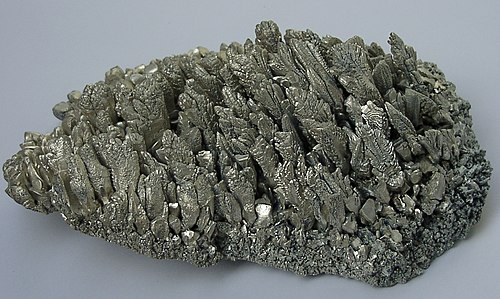
O magnésio é um elemento químico de símbolo Mg de número atômico 12 (12prótons e 12 elétrons) com massa atômica 24 u. É um metal alcalinoterroso, pertencente ao grupo (ou família) 2 (anteriormente chamada IIA), sólido nas condições ambientais.

É o oitavo elemento mais abundante na crosta terrestre, onde constitui cerca de 2,5% da sua massa, e o nono no Universo conhecido, no seu todo. Esta abundância do magnésio está relacionada com o fato de se formar facilmente emsupernovas através da adição sequencial de três núcleos de hélio ao carbono (que é, por sua vez, feito de três núcleos de hélio). A alta solubilidade dos íons de magnésio na água assegura-lhe a posição como terceiro elemento mais abundante na água do mar.

É empregado principalmente como elemento de liga com o alumínio.

O magnésio foi descoberto em 1755 pelo escocês Joseph Black.


Principais características

O magnésio é um metal bastante resistente e leve, aproximadamente 30% menos denso que o alumínio. Possui coloração prateada, perdendo seu brilho quando exposto ao ar, por formar óxido de magnésio. Quando pulverizado e exposto ao ar se inflama produzindo uma chama branca. Reage com a água somente se esta estiver em ebulição, formando hidróxido de magnésio e liberando hidrogênio.


Aplicações

O elemento magnésio e suas diversas substâncias servem para diversas aplicações no dia-a-dia, sendo os principais:

  • Os compostos de magnésio, principalmente seu óxido, são usados como material refratário em fornos para a produção de ferro e aço, metais não ferrosos, cristais e cimento;
  • Os compostos de magnésio são também aplicados na agricultura, como auxiliar condicionante da fotossíntese. O uso principal do metal é como elemento de liga com o alumínio, empregando-a para a produção de recipientes de bebidas, componentes de automóveis como aros de roda e maquinarias diversas. O magnésio também é usado para eliminar o enxofredo aço e ferro.
  • Aditivo em propelentes convencionais;
  • Obtenção de fundição nodular (Fe-Si-Mg).
  • Agente redutor na obtenção de urânio e outros metais a partir de seus sais;
  • O hidróxido ( leite de magnésia ), o cloreto, o sulfato ( sal de Epsom ) e o citrato são empregados em medicina, como laxante e antiácido;
  • O pó de carbonato de magnésio ( MgCO3 ) é utilizado por atletas como ginastas, alpinistas e levantadores de peso para eliminar o suor das mãos e segurar melhor os objetos;
  • Implante eletrônico sem fio feito de um substrato de seda e uma bobina de magnésio que aumenta a temperatura do tecido apenas suficiente para matar as bactérias Staphylococcus aureus, e depois dissolutivo no interior do corpo sem causar danos .


O Mg também é encontrado em alimentos como vegetais e cereais. Recentes pesquisas indicam o Magnésio como responsável por retardar o envelhecimento celular, além de ser responsável por inúmeras funções metabólicas intracelulares.


Papel biológico

O magnésio é importante para a vida, tanto animal como vegetal. A clorofila é uma substância complexa de porfirina-magnésio que intervem na fotossíntese.

É um elemento químico essencial para o ser humano. A maior parte do magnésio no organismo encontra-se nos ossos e, seus íons desempenham papéis de importância na atividade de muitas coenzimas e, em reações que dependem da ATP. Também exerce um papel estrutural, o íon de Mg2+ tem uma função estabilizadora para a estrutura de cadeias de ADN e ARN.

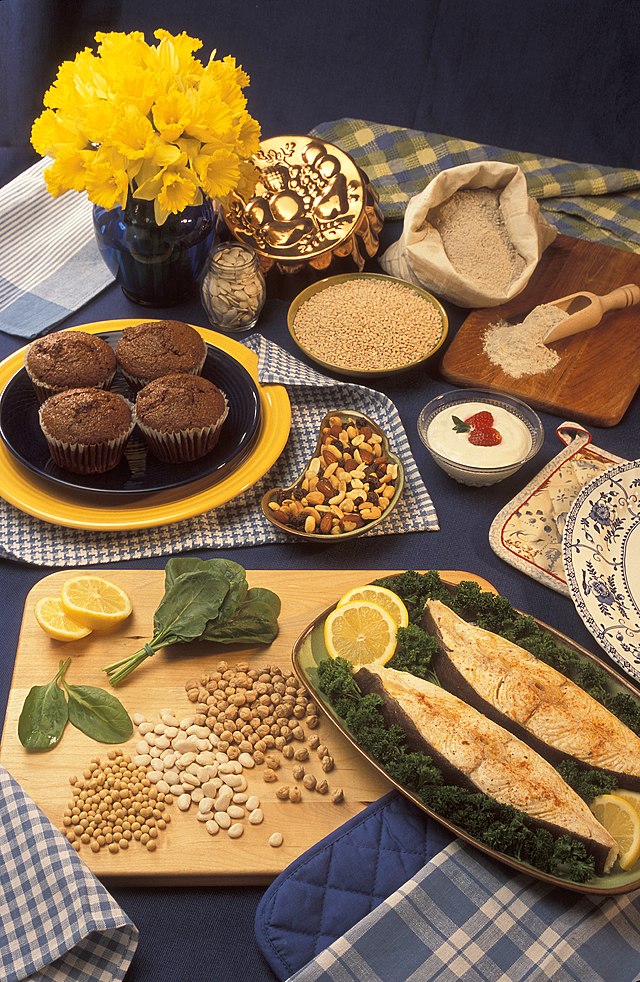
Dependendo do peso e da altura, a quantidade diária necessária e recomendada varia entre 300 e 350 mg, quantidade que pode ser obtida facilmente, visto o magnésio estar presente na maioria dos alimentos, principalmente, nas folhas verdes das hortaliças, nas sementes, nozes, leguminosas e cereais integrais. Contudo, a agricultura intensiva produz alimentos carentes neste mineral.

O aumento na ingestão de cálcio, proteína, vitamina D e álcool, bem como o estresse físico e psicológico aumentam as necessidades de magnésio.

A sua carência nos humanos pode causar: agitação, anemia, anorexia, ansiedade, mãos e pés gelados, perturbação da pressão sanguínea (tanto com hipertensão como hipotensão), insónia, irritabilidade, náuseas, fraqueza e tremores musculares, nervosismo, desorientação, alucinações, cálculos renais e taquicardia. Essencial para a fixação correta do cálcio no organismo; a deficiência de magnésio pode causar endurecimento das artérias e calcificação das cartilagens, articulações e válvulas cardíacas; sua carência pode causar descalcificação nos ossos (osteoporose).

Seu excesso (em nível de nutriente) nos humanos pode causar: rubor facial,hipotensão, fraqueza muscular, náuseas, insuficiência respiratória, boca seca e sede crônica.


História

O nome é originário de Magnésia, que em grego designava uma região daTessália. O escocês Joseph Black, reconheceu o magnésio como um elemento químico em 1755. Em 1808 Sir Humphry Davy obteve o metal puro mediante aeletrólise de uma mistura de magnésia e HgO (óxido de mercúrio).


Abundância e obtenção

O magnésio é o oitavo elemento mais abundante na crosta terrestre. Não é encontrado livre na natureza, porém entra na composição de mais de 60 minerais, sendo os mais importantes industrialmente os depósitos de dolomita,magnesita, brucita, carnallita, serpentina, kainita e olivina.

O metal é obtido principalmente pela eletrólise do cloreto de magnésio ( MgCl2), método que já foi empregado por Robert Bunsen, obtendo-o de salmoura e água de mar.


https://www.wikiwand.com/pt/Magn%C3%A9sio

Copper


Snap 2015-09-09 at 05.38.22


 Copper in architecture

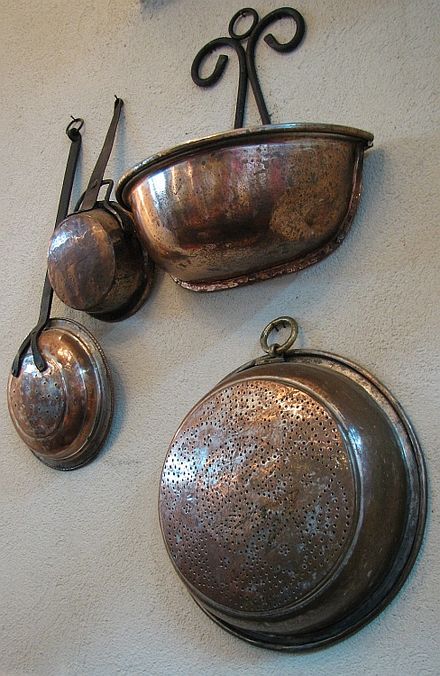
Old copper utensils in a Jerusalem restaurant

Old copper utensils in a Jerusalem restaurant

Copper has been used since ancient times as a durable, corrosion resistant, and weatherproof architectural material. Roofs, flashings, rain gutters, downspouts, domes, spires, vaults, and doors have been made from copper for hundreds or thousands of years.  Copper's architectural use has been expanded in modern times to include interior and exterior wall cladding, building expansion joints, radio frequency shielding, and antimicrobial indoor products, such as attractive handrails, bathroom fixtures, and counter tops. Some of copper's other important benefits as an architectural material include its low thermal movement, light weight, lightning protection, and its recyclability.

The metal's distinctive natural green patina has long been coveted by architects and designers. The final patina is a particularly durable layer that is highly resistant to atmospheric corrosion, thereby protecting the underlying metal against further weathering. It can be a mixture of carbonate and sulfate compounds in various amounts, depending upon environmental conditions such as sulfur-containing acid rain. Architectural copper and its alloys can also be 'finished' to embark a particular look, feel, and/or color. Finishes include mechanical surface treatments, chemical coloring, and coatings.

Copper has excellent brazing and soldering properties and can be welded; the best results are obtained with gas metal arc welding.

Antibiofouling applications

Copper is biostatic, meaning bacteria will not grow on it. For this reason it has long been used to line parts of ships to protect against barnacles and mussels. It was originally used pure, but has since been superseded by Muntz metal. Similarly, as discussed in copper alloys in aquaculture, copper alloys have become important netting materials in the aquaculture industry because they are antimicrobial and prevent biofouling, even in extreme conditions and have strong structural and corrosion-resistant properties in marine environments.

Antimicrobial applications

Numerous antimicrobial efficacy studies have been conducted in the past 10 years regarding copper's efficacy to destroy a wide range of bacteria, as well asinfluenza A virus, adenovirus, and fungi.

Copper-alloy touch surfaces have natural intrinsic properties to destroy a wide range of microorganisms (e.g., E. coli O157:H7, methicillin-resistant Staphylococcus aureus (MRSA), Staphylococcus, Clostridium difficile, influenza A virus, adenovirus, and fungi). Some 355 copper alloys were proven to kill more than 99.9% of disease-causing bacteria within just two hours when cleaned regularly. The United States Environmental Protection Agency (EPA) has approved the registrations of these copper alloys as "antimicrobial materials with public health benefits, which allows manufacturers to legally make claims as to the positive public health benefits of products made with registered antimicrobial copper alloys. In addition, the EPA has approved a long list of antimicrobial copper products made from these alloys, such as bedrails,handrails, over-bed tables, sinks, faucets, door knobs, toilet hardware, computer keyboards, health club equipment, shopping cart handles, etc. (for a comprehensive list of products, see: Antimicrobial copper-alloy touch surfaces#Approved products). Copper doorknobs are used by hospitals to reduce the transfer of disease, and Legionnaires' disease is suppressed by copper tubing in plumbing systems. Antimicrobial copper alloy products are now being installed in healthcare facilities in the U.K., Ireland, Japan, Korea, France, Denmark,  Brazil and in the subway transit system in Santiago, Chile, where copper-zinc alloy handrails will be installed in some 30 stations between 2011–2014.

Folk medicine

Copper is commonly used in jewelry, and folklore says that copper bracelets relieve arthritis symptoms. In alternative medicine, some proponents speculate that excess copper absorbed through the skin can treat some ailments, or that the copper somehow creates a magnetic field, treating nearby tissue.

In various studies, though, no difference is found between arthritis treated with a copper bracelet, magnetic bracelet, or placebo bracelet. As far as medical science is concerned, wearing copper has no known benefit, for any medical condition at all. A human being can have a dietary copper deficiency, but this is very rare, because copper is present in many common foods, includinglegumes (beans), grains, and nuts.

There is no evidence that copper even can be absorbed through the skin. But if it were, this could actually lead to copper poisoning, which may actually be more likely than beneficial effects.

Compression clothing

More recently, some compression clothing has been sold with copper woven into it, with the same folk medicine claims being made. While compression clothing is a real treatment for some ailments, therefore the clothing may appear to work, the added copper may very well have no benefit beyond a placebo effect.

Other uses

Copper compounds in liquid form are used as a wood preservative, particularly in treating original portion of structures during restoration of damage due to dry rot. Together with zinc, copper wires may be placed over non-conductive roofing materials to discourage the growth of moss. Textile fibers use copper to create antimicrobial protective fabrics, as do ceramic glazes,stained glass and musical instruments. Electroplating commonly uses copper as a base for other metals such as nickel.

Copper is one of three metals, along with lead and silver, used in a museum materials testing procedure called the Oddy test. In this procedure, copper is used to detect chlorides, oxides, and sulfur compounds.

Copper is used as the printing plate in etching, engraving and other forms ofintaglio (printmaking) printmaking.

Copper oxide and carbonate is used in glassmaking and in ceramic glazes to impart green and brown colors.

Copper is the principal alloying metal in some sterling silver and gold alloys. It may also be used on its own, or as a constituent of brass, bronze, gilding metaland many other base metal alloys.


https://www.wikiwand.com/en/Copper#/overview

Copper : Biological role


Main article: Copper in health

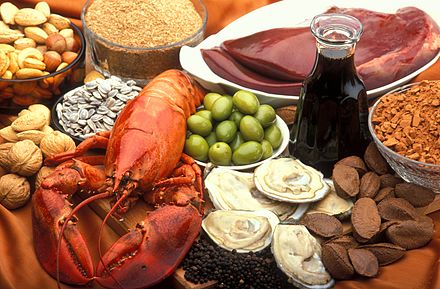
Rich sources of copper include oysters, beef and lamb liver, Brazil nuts, blackstrap molasses, cocoa, and black pepper. Good sources include lobster, nuts and sunflower seeds, green olives, avocados, and wheat bran.

Rich sources of copper include oysters, beef and lamb liver, Brazil nuts, blackstrap molasses, cocoa, and black pepper. Good sources include lobster, nuts and sunflower seeds, green olives, avocados, and wheat bran.

Copper proteins have diverse roles in biological electron transport and oxygen transportation, processes that exploit the easy interconversion of Cu(I) and Cu(II).The biological role for copper commenced with the appearance of oxygen in earth's atmosphere. The protein hemocyanin is the oxygen carrier in most mollusks and some arthropods such as the horseshoe crab(Limulus polyphemus) Because hemocyanin is blue, these organisms have blue blood, not the red blood found in organisms that rely on hemoglobin for this purpose. Structurally related to hemocyanin are the laccases and tyrosinases. Instead of reversibly binding oxygen, these proteins hydroxylate substrates, illustrated by their role in the formation of lacquers.

Copper is also a component of other proteins associated with the processing of oxygen. In cytochrome c oxidase, which is required for aerobic respiration, copper and iron cooperate in the reduction of oxygen. Copper is also found in many superoxide dismutases, proteins that catalyze the decomposition of superoxides, by converting it (by disproportionation) to oxygen and hydrogen peroxide:

2 HO2 → H2O2 + O2

Several copper proteins, such as the "blue copper proteins", do not interact directly with substrates, hence they are not enzymes. These proteins relay electrons by the process called electron transfer.

A unique tetranuclear copper center has been found in nitrous-oxide reductase.

Dietary needs

Copper is an essential trace element in plants and animals, but not some microorganisms. The human body contains copper at a level of about 1.4 to 2.1 mg per kg of body mass. Stated differently, the RDA for copper in normal healthy adults is quoted as 0.97 mg/day and as 3.0 mg/day. Copper is absorbed in the gut, then transported to the liver bound to albumin. After processing in the liver, copper is distributed to other tissues in a second phase. Copper transport here involves the protein ceruloplasmin, which carries the majority of copper in blood. Ceruloplasmin also carries copper that is excreted in milk, and is particularly well-absorbed as a copper source.Copper in the body normally undergoes enterohepatic circulation (about 5 mg a day, vs. about 1 mg per day absorbed in the diet and excreted from the body), and the body is able to excrete some excess copper, if needed, via bile, which carries some copper out of the liver that is not then reabsorbed by the intestine.

Copper-based disorders

Because of its role in facilitating iron uptake, copper deficiency can produceanemia-like symptoms, neutropenia, bone abnormalities, hypopigmentation, impaired growth, increased incidence of infections, osteoporosis, hyperthyroidism, and abnormalities in glucose and cholesterol metabolism. Conversely, Wilson's disease causes an accumulation of copper in body tissues.

Severe deficiency can be found by testing for low plasma or serum copper levels, low ceruloplasmin, and low red blood cell superoxide dismutase levels; these are not sensitive to marginal copper status. The "cytochrome c oxidase activity of leucocytes and platelets" has been stated as another factor in deficiency, but the results have not been confirmed by replication.

Main article: Copper toxicity

Gram quantities of various copper salts have been taken in suicide attempts and produced acute copper toxicity in humans, possibly due to redox cycling and the generation of reactive oxygen species that damage DNA. Corresponding amounts of copper salts (30 mg/kg) are toxic in animals. A minimum dietary value for healthy growth in rabbits has been reported to be at least 3 ppm in the diet. However, higher concentrations of copper (100 ppm, 200 ppm, or 500 ppm) in the diet of rabbits may favorably influence feed conversion efficiency, growth rates, and carcass dressing percentages.

Chronic copper toxicity does not normally occur in humans because of transport systems that regulate absorption and excretion. Autosomal recessive mutations in copper transport proteins can disable these systems, leading to Wilson's disease with copper accumulation and cirrhosis of the liver in persons who have inherited two defective genes.

Elevated copper levels have also been linked to worsening symptoms ofAlzheimer's disease.


https://www.wikiwand.com/en/Copper#/Dietary_needs

32 Websites That Will Make You a Genius


You just need the passion to become smarter. Developing gives you an edge and here are the tools to help you:

  1. BBC — Future

Learn something new, every day.

become smarter


2. Youtube EDU

Educational videos to broaden your knowledge.

02


3. WikiWand

 An award winning interface for Wikipedia.

become smarter


4. TED

Marvellous videos to open your mind on almost every topic.

get smart


5. iTunes U

The power of technology to transform classrooms.

learn for free


6. Future Learn

High quality online education – enjoy free online courses from top universities and specialist organisations.

Learn for free be smart


7. Coursera

Some of the top U.S. universities offer massive open online courses for free.

learn for free


8. MIT Open CourseWare

A catalog of free online courses and learning resources offered by MIT.

free courses lessons


9. Udacity

Interactive online classes and courses in higher education.

09


10. edX

Online courses from the world’s best universities.

10


11. Highbrow

 Get bite-sized daily courses to your inbox.

free courses


12. Coursmos

Take a micro-course anytime you want, on any device.

free courses


13. Peer 2 Peer University or P2PU

An open educational project that helps you learn at your own pace.

free education


14. University of the People

Tuition-free online university that offers higher education in multiple course streams.

free education


15. Cerego

Build personalized study plans based on your strengths and weaknesses to retain knowledge.

free diploma


16. OpenSesame

Marketplace for online training, now with 22,000+ courses.

161


17. CreativeLive

 Take free creative classes from the world’s top experts.

17


18. University of reddit 

The product of free intellectualism and is a haven for the sharing of knowledge.

free education


19. Quora

 You ask, the net discusses — with top experts and fascinating back and forth on everything.

quora questions answers what


20. InsightfulQuestions (subreddit) 

Intellectual discussions that are not necessarily genre-specific.

20


21. Digital Photography School

Read through this goldmine of articles to improve your photography skills.

free lessons photography


22.Brain Pickings

Founded in 2006 as a weekly email that went out to seven friends and eventually brought online, the site was included in the Library of Congress permanent web archive in 2012.


23. Gibbon

This is the ultimate playlist for learning.

work team


24. Investopedia

 Learn everything you need to know about the world of investing, markets, and personal finance.

free investing investmant finance lessons


25. Mozilla Developer Network

Detailed documentation and learning resources for web developers.

free developing programming lessons


26. Google Scholar

A search of scholarly literature across many disciplines and sources, including theses, books, abstracts and articles.

scholar master thesis free


27. Brain Pump

 A place to learn something new everyday.

free lessons


28. Mental Floss

 Test your knowledge with amazing and interesting facts, trivia, quizzes, and brain teaser games.

free lessons


29. Learnist

 Learn from expertly curated web, print and video content.

free lessons free courses


30. DataCamp

Online R tutorials and data science courses.

free lessons free courses free education


31. Platzi

Live streaming classes on design, marketing and code.

free education


32. The long read (The Guardian)

In-depth reporting, essays and profiles.

become smarter


http://justenglish.me/2015/08/17/32-websites-that-will-make-you-a-genius/