terça-feira, 25 de novembro de 2014

Guy Finds a Baby Squirrel On the Streets… What He Does Next is Beyond Amazing


This man was walking to work when he saw this little baby half dead on the ground in the Florida sun. He took her in but he had no idea what to do. He turned to the Internet for help, but he was told by others that he didn’t have enough experience to save her and ultimately, she would die. As it turns out, they were all wrong.

This man named this Southern flying squirrel Biscuits, and he found Biscuits baking in the Floridan sun. 
cool-baby-squirrel-hand-sick
Biscuits was so tiny, that the man had trouble telling what it was. 
cool-baby-squirrel-half-dead
The Internet told him that Biscuits would die for sure. 
cool-baby-squirrel-surviving-saving
But he refused to give up hope.
cool-baby-squirrel-little-head
And that was all Biscuit needed to survive. 
cool-baby-squirrel-fighting-life
He showed love and devotion to save Biscuit’s life.
cool-baby-squirrel-tiny-tail
Slowly, Biscuits opened her eyes  and took the man as her new daddy. 
cool-baby-squirrel-rehabilitating
She also became a rebellious at time, but she was still a sweetheart. 
cool-baby-squirrel-cute-nose
Her recovery is one of the cutest things. 
cool-baby-squirrel-resting-belly
She also made new friend’s with the man’s dog. 
cool-baby-squirrel-dog-smelling
They soon became the best of friends. 
cool-baby-squirrel-dog-friend
Guess, who just had dinner? 
cool-baby-squirrel-dirty-mouth
The man hand fed Biscuits for each meal, and Biscuits soon grew up to be big and strong. 
cool-baby-squirrel-feeding-milk
The man felt like Biscuits was always hungry.
cool-baby-squirrel-feeding-pocket
She was slowly turning into a beautiful flying squirrel.
cool-baby-squirrel-cute-eyes
He even taught her how to skateboard. 
cool-baby-squirrel-skateboarding
…and help with complex Excel calculations. 
cool-baby-squirrel-cute-love-devotion
He also learned how to sail the 7 seas. 
cool-baby-squirrel-sailor-hat
He loved staying in the man’s breast pocket. 
cool-baby-squirrel-inside-pocket
Just to think that everyone gave up on Biscuits except for this man.
cool-baby-squirrel-cute-owner
Now you wouldn’t have known that this squirrel was on the edge of survival. 
cool-baby-squirrel-cage-happy
This is biscuits and her daddy: best friends for life.
cool-baby-squirrel-cute-pocket-happy

It is amazing how a little hope can go a long way.

Source: The Meta Picture

Snap 2014-11-25 at 20.09.08

Physicists and chemists work to improve digital memory technology


The improvements in random access memory that have driven many advances of the digital age owe much to the innovative application of physics and chemistry at the atomic scale.

Accordingly, a team led by UNL researchers has employed a Nobel Prize-winning material and common household chemical to enhance the properties of a component primed for the next generation of high-speed, high-capacity RAM.

The team, which published its findings in the Nov. 24 edition of the journal Nature Communications, engineered and tested improvements in the performance of a memory structure known as a ferroelectric tunnel junction.

The junction features a ferroelectric layer 100,000 times thinner than a sheet of paper, so thin that electrons can "tunnel" through it. This layer resides between two electrodes that can reverse the direction of its polarization -- the alignment of positive and negative charges used to represent "0" and "1" in binary computing -- by applying electric voltage to it.

The researchers became the first to design a ferroelectric junction with electrodes made of graphene, a carbon material only one atom thick. While its extreme conductivity makes graphene especially suited for small-scale electronics, the authors' primary interest lay in how it accommodated nearly any type of molecule -- specifically, ammonia -- they placed between it and the ferroelectric layer.

A junction's polarity determines its resistance to tunneling current, with one direction allowing current to flow and the other strongly reducing it. The researchers found that their graphene-ammonia combination increased the disparity between these "on" and "off" conditions, a prized outcome that improves the reliability of RAM devices and allows them to read data without having to rewrite it.

"This is one of the most important differences between previous technology that has already been commercialized and this emergent ferroelectric technology," said Alexei Gruverman, a Charles Bessey Professor of physics who co-authored the study.

Ferroelectric materials naturally boast the quality of "non-volatility," meaning they maintain their polarization -- and can hence retain stored information -- even in the absence of an external power source. However, the infinitesimal space between the positive and negative charges in a tunnel junction makes maintaining this polarization especially difficult, Gruverman said.

"In all memory devices, there is a gradual relaxation, or decrease, of this polarization," he said. "The thinner the ferroelectric layer is, the more difficult it is to keep these polarization charges separate, as there is a stronger driving force in the material that tries to get rid of it."

Gruverman said the team's graphene-ammonia combination also shows promise for addressing this prevalent issue, significantly improving the stability of the junction's polarization during the study.

Gruverman's UNL co-authors included Haidong Lu and Dong Jik Kim, postdoctoral researchers in physics and astronomy; Alexey Lipatov, a postdoctoral researcher in chemistry; Evgeny Tsymbal, George Holmes University Professor of physics and astronomy; and Alexander Sinitskii, assistant professor of chemistry. The study was also authored by researchers from the University of Wisconsin-Madison and the Moscow-based Kurnakov Institute for General and Inorganic Chemistry.

The team's research was conducted with the assistance of UNL's Materials Research Science and Engineering Center -- part of a nationwide network of MRSECs sponsored by the National Science Foundation -- and also received support from the U.S. Department of Energy.


Story Source:

The above story is based on materials provided by University of Nebraska-Lincoln. The original article was written by Scott Schrage. Note: Materials may be edited for content and length.


Journal Reference:

  1. H. Lu, A. Lipatov, S. Ryu, D. J. Kim, H. Lee, M. Y. Zhuravlev, C. B. Eom, E. Y. Tsymbal, A. Sinitskii, A. Gruverman. Ferroelectric tunnel junctions with graphene electrodes. Nature Communications, 2014; 5: 5518 DOI: 10.1038/ncomms6518


These 32 Mineral Specimens Are Stunningly Beautiful


Snap 2014-11-25 at 18.19.19

Tree fossils with Opal growth rings

Source: etsy.com

Uvarovite

Source: flickr.com

Fluorite

Source: roywmacdonald.com

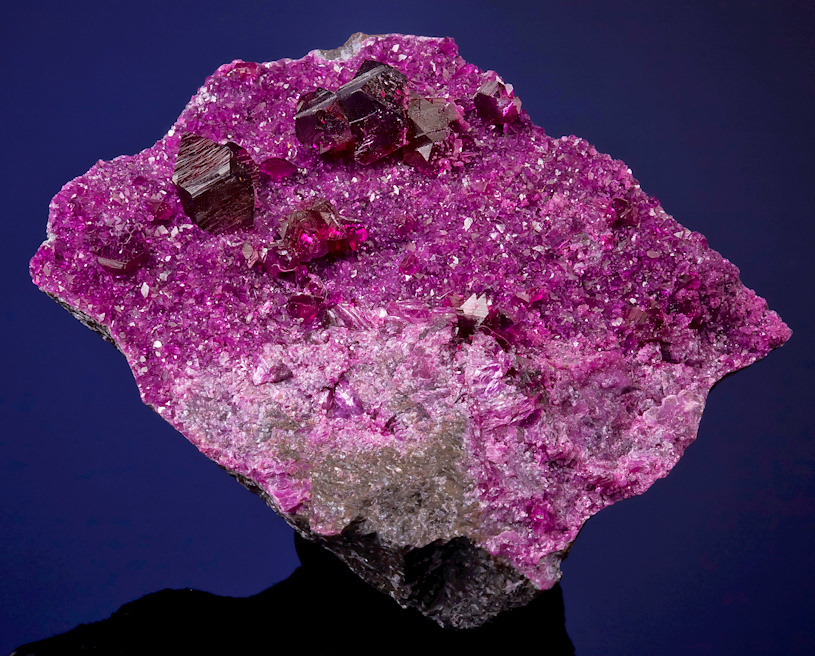
Kammererite

Source: exceptionalminerals.com

Hematite, Rutile, and Feldspar

Source: mindat.org

Torbernite (this one is radioactive)

Source: imgur.com

Clinoclase

Source: mindat.org

Vanadinite crystals on white Barite

Source: flickr.com

Fossilized egg? No it’s an Opal geode

Source: reddit.com

Blue Callaghanite on white Hydromagnesite

Source: mindat.org

Silver Stibnite with Barite

Source: wikimedia.org

Chalcanthite

Source: tumblr.com

Karpatite

Source: flickr.com

Cacoxenite

Source: scientificcomputing.com

Fluorite

Source: atlantisqueen.co

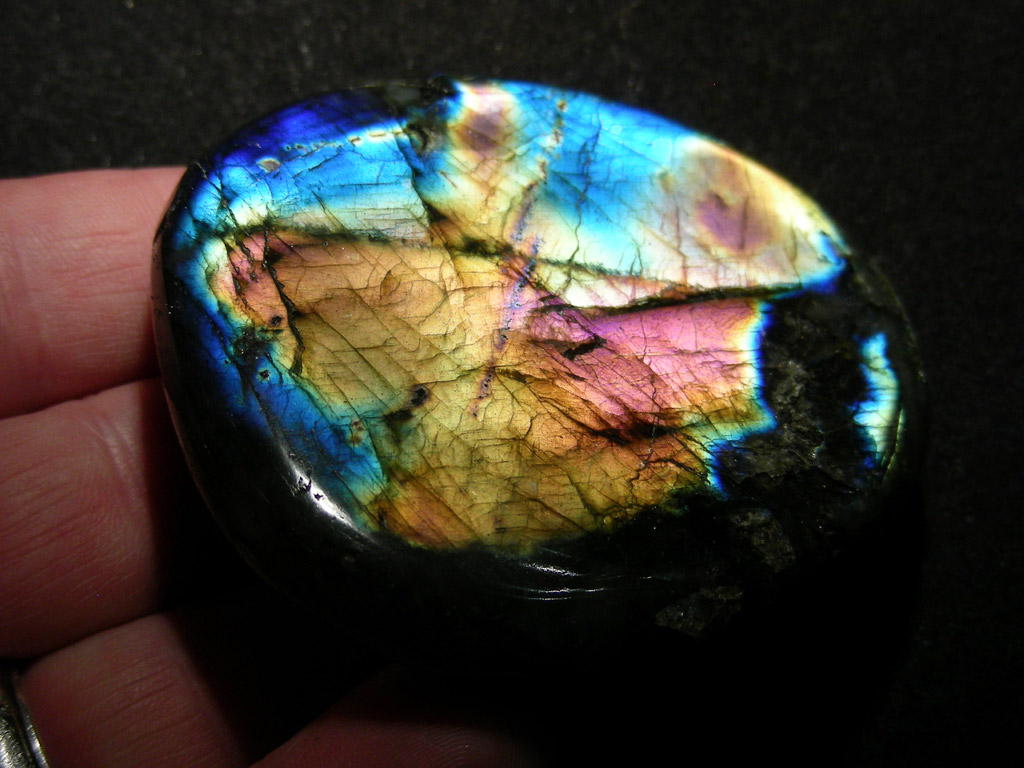
Labradorite

Source: carionmineraux.com

Black Opal

Source: reddit.com

Cuprosklodowskite (also radioactive)

Source: flickr.com

Blue Halite and Sylvite

Source: mindat.org

Fluorite

Source: reddit.com

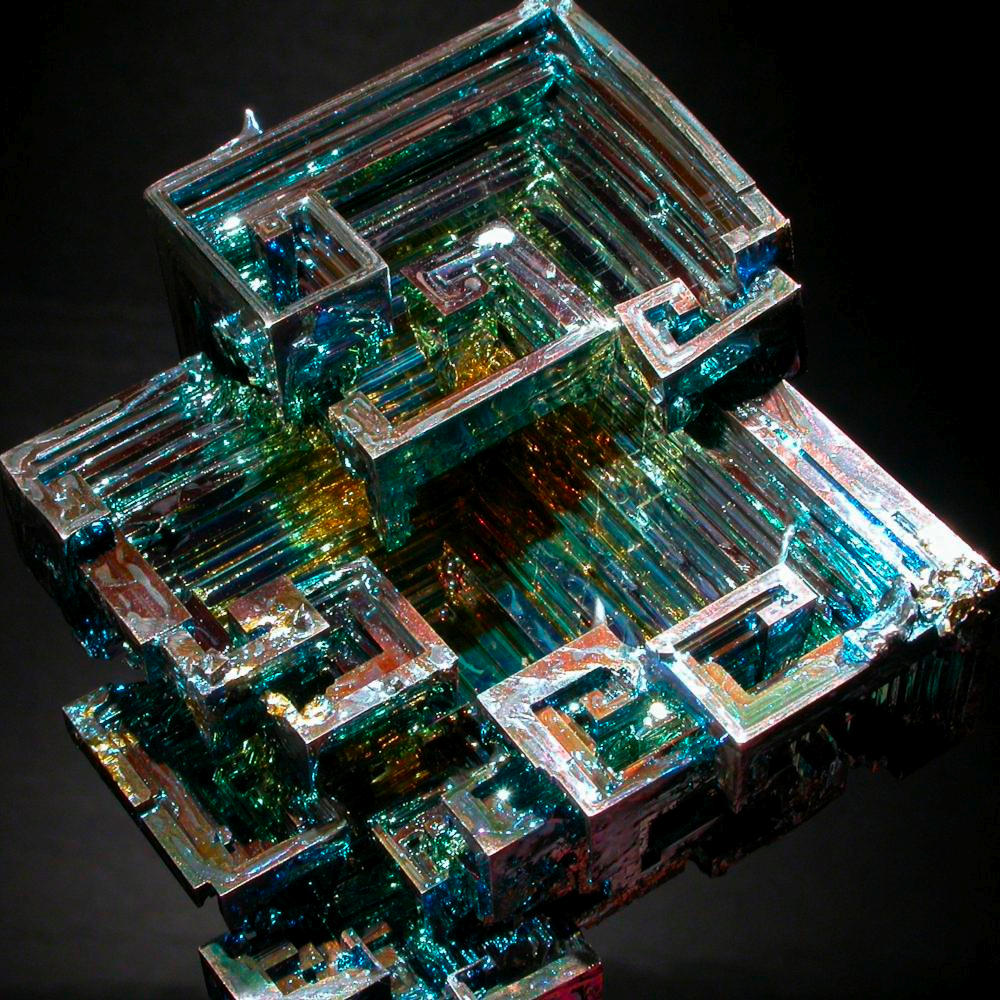
Bismuth

Source: periodictable.com

Source: reddit.com

Tourmaline

Source: saphiraminerals.com

Bayldonite

Source: mindat.org

Osmium (the densest natural element)

Source: wikimedia.org

Malachite

Source: mindat.org

Emmonsite

Source: mindat.org

Aquamarine on Muscovite

Source: mindat.org

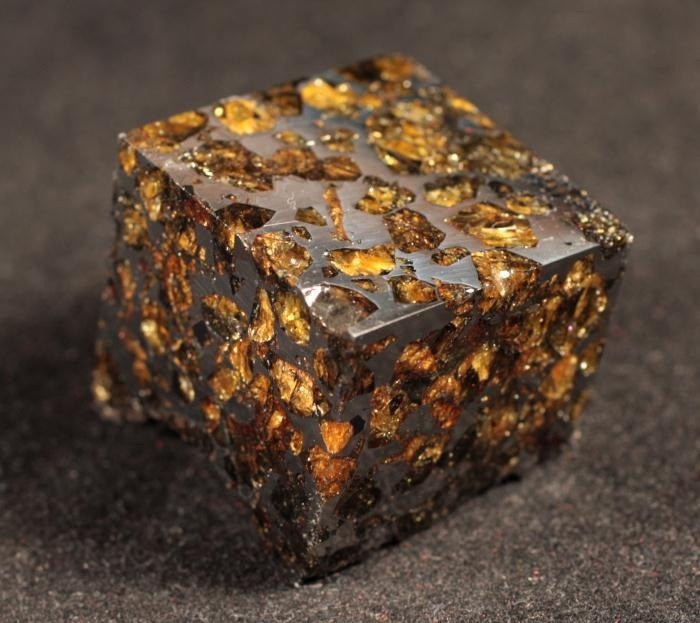
Pallasite Meteorite

Source: tumblr.com

Boleite

Source: tumblr.com

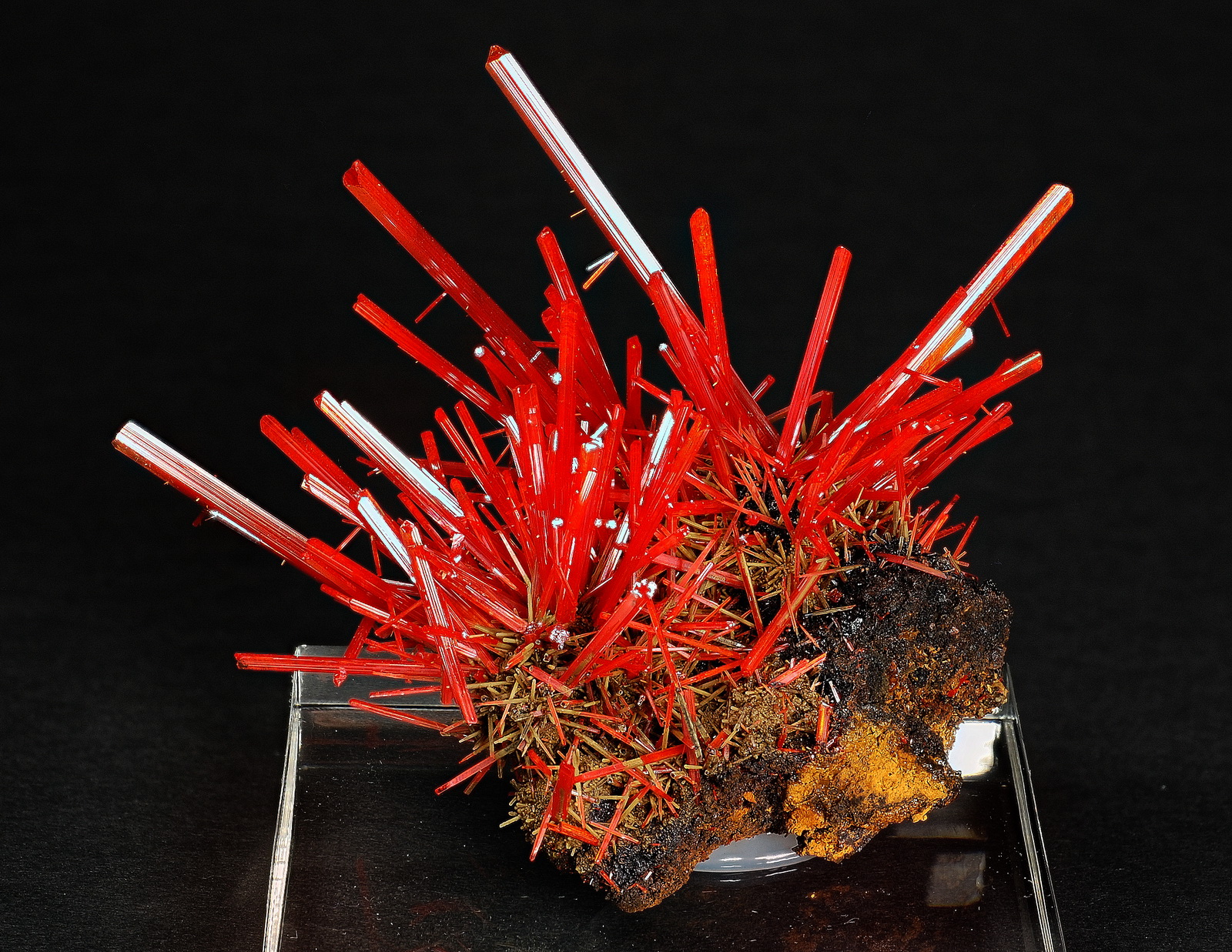
Crocoite

Source: awminerals.com

How does the brain react to virtual reality? Completely different pattern of activity in brain


Illusions (stock image). UCLA neurophysicists have found that space-mapping neurons in the brain react differently to virtual reality than they do to real-world environments.

UCLA neurophysicists have found that space-mapping neurons in the brain react differently to virtual reality than they do to real-world environments. Their findings could be significant for people who use virtual reality for gaming, military, commercial, scientific or other purposes.

"The pattern of activity in a brain region involved in spatial learning in the virtual world is completely different than when it processes activity in the real world," said Mayank Mehta, a UCLA professor of physics, neurology and neurobiology in the UCLA College and the study's senior author. "Since so many people are using virtual reality, it is important to understand why there are such big differences."

The study was published today in the journal Nature Neuroscience.

The scientists were studying the hippocampus, a region of the brain involved in diseases such as Alzheimer's, stroke, depression, schizophrenia, epilepsy and post-traumatic stress disorder. The hippocampus also plays an important role in forming new memories and creating mental maps of space. For example, when a person explores a room, hippocampal neurons become selectively active, providing a "cognitive map" of the environment.

The mechanisms by which the brain makes those cognitive maps remains a mystery, but neuroscientists have surmised that the hippocampus computes distances between the subject and surrounding landmarks, such as buildings and mountains. But in a real maze, other cues, such as smells and sounds, can also help the brain determine spaces and distances.

To test whether the hippocampus could actually form spatial maps using only visual landmarks, Mehta's team devised a noninvasive virtual reality environment and studied how the hippocampal neurons in the brains of rats reacted in the virtual world without the ability to use smells and sounds as cues.

Researchers placed a small harness around rats and put them on a treadmill surrounded by a "virtual world" on large video screens -- a virtual environment they describe as even more immersive than IMAX -- in an otherwise dark, quiet room. The scientists measured the rats' behavior and the activity of hundreds of neurons in their hippocampi, said UCLA graduate student Lavanya Acharya, a lead author on the research.

The researchers also measured the rats' behavior and neural activity when they walked in a real room designed to look exactly like the virtual reality room.

The scientists were surprised to find that the results from the virtual and real environments were entirely different. In the virtual world, the rats' hippocampal neurons seemed to fire completely randomly, as if the neurons had no idea where the rat was -- even though the rats seemed to behave perfectly normally in the real and virtual worlds.

"The 'map' disappeared completely," said Mehta, director of a W.M. Keck Foundation Neurophysics center and a member of UCLA's Brain Research Institute. "Nobody expected this. The neuron activity was a random function of the rat's position in the virtual world."

Explained Zahra Aghajan, a UCLA graduate student and another of the study's lead authors: "In fact, careful mathematical analysis showed that neurons in the virtual world were calculating the amount of distance the rat had walked, regardless of where he was in the virtual space."

They also were shocked to find that although the rats' hippocampal neurons were highly active in the real-world environment, more than half of those neurons shut down in the virtual space.

The virtual world used in the study was very similar to virtual reality environments used by humans, and neurons in a rat's brain would be very hard to distinguish from neurons in the human brain, Mehta said.

His conclusion: "The neural pattern in virtual reality is substantially different from the activity pattern in the real world. We need to fully understand how virtual reality affects the brain."

Neurons Bach would appreciate

In addition to analyzing the activity of individual neurons, Mehta's team studied larger groups of the brain cells. Previous research, including studies by his group, have revealed that groups of neurons create a complex pattern using brain rhythms.

"These complex rhythms are crucial for learning and memory, but we can't hear or feel these rhythms in our brain. They are hidden under the hood from us," Mehta said. "The complex pattern they make defies human imagination. The neurons in this memory-making region talk to each other using two entirely different languages at the same time. One of those languages is based on rhythm; the other is based on intensity."

Every neuron in the hippocampus speaks the two languages simultaneously, Mehta said, comparing the phenomenon to the multiple concurrent melodies of a Bach fugue.

Mehta's group reports that in the virtual world, the language based on rhythm has a similar structure to that in the real world, even though it says something entirely different in the two worlds. The language based on intensity, however, is entirely disrupted.

When people walk or try to remember something, the activity in the hippocampus becomes very rhythmic and these complex, rhythmic patterns appear, Mehta said. Those rhythms facilitate the formation of memories and our ability to recall them. Mehta hypothesizes that in some people with learning and memory disorders, these rhythms are impaired.

"Neurons involved in memory interact with other parts of the hippocampus like an orchestra," Mehta said. "It's not enough for every violinist and every trumpet player to play their music flawlessly. They also have to be perfectly synchronized."

Mehta believes that by retuning and synchronizing these rhythms, doctors will be able to repair damaged memory, but said doing so remains a huge challenge.

"The need to repair memories is enormous," noted Mehta, who said neurons and synapses -- the connections between neurons -- are amazingly complex machines.

Previous research by Mehta showed that the hippocampal circuit rapidly evolves with learning and that brain rhythms are crucial for this process. Mehta conducts his research with rats because analyzing complex brain circuits and neural activity with high precision currently is not possible in humans.

Other co-authors of the study were Jason Moore, a UCLA graduate student; Cliff Vuong, a research assistant who conducted the research as a UCLA undergraduate; and UCLA postdoctoral scholar Jesse Cushman. The research was funded by the W.M. Keck Foundation and the National Institutes of Health.

And this is only a little sample..


Some images of the true face of the world

Snap 2014-11-25 at 07.24.23